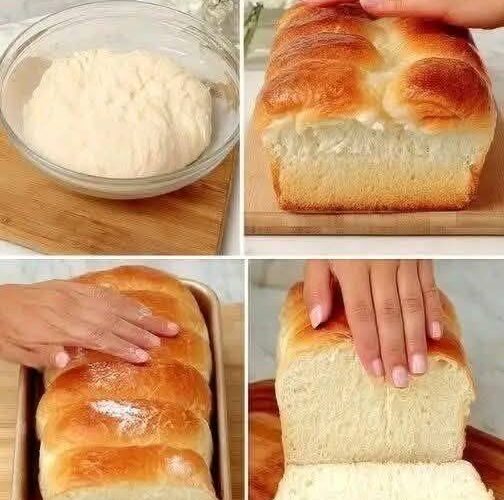
The Magic Behind Japanese Milk Bread
Japanese milk bread has become one of the most searched homemade bread recipes in recent years, and for good reason. Known for its cloud-like texture, rich buttery flavor, and delicate crumb, this famous Asian-style loaf creates bakery-quality bread right in your own kitchen. Unlike ordinary sandwich bread, Japanese milk bread stays incredibly soft for days while maintaining a slightly sweet, milky flavor that pairs beautifully with both savory and sweet toppings.
This ultra-soft bread is commonly known as “Shokupan” in Japan. What makes it different from traditional white bread is the special cooking method used to create exceptional softness and moisture retention. The bread is airy, stretchy, fluffy, and almost melt-in-your-mouth tender. Whether served warm with butter, transformed into French toast, or used for sandwiches, this loaf delivers outstanding texture every single time.
Homemade Japanese milk bread may look intimidating at first, but once you understand the process, it becomes one of the most rewarding baking recipes to master. The secret lies in creating a simple cooked flour mixture that locks moisture into the dough, resulting in bakery-style softness.
Why This Japanese Bread Recipe Works Perfectly
There are many homemade bread recipes online, but Japanese milk bread stands out because of its luxurious texture and rich flavor profile. This loaf is designed to remain moist longer than ordinary bread, making it ideal for meal prep, breakfast toast, sandwiches, or tea-time snacks.
Here’s why home bakers love this recipe:
- Exceptionally soft and fluffy texture
- Slightly sweet flavor with rich buttery notes
- Perfect for sandwiches and toast
- Stays fresh for several days
- Beginner-friendly once you understand the dough
- Creates beautiful bakery-style pull-apart layers
- Excellent for freezing and reheating
The balanced combination of milk, butter, sugar, and enriched dough ingredients creates a comforting homemade bread that tastes far superior to store-bought loaves.
Understanding the Tangzhong Technique
The signature softness of Japanese milk bread comes from a traditional Asian baking technique called Tangzhong. This method involves cooking a small amount of flour and liquid together before adding it to the bread dough.
When flour is heated with liquid, the starches gelatinize and absorb moisture more effectively. This process allows the dough to hold more hydration without becoming sticky or difficult to handle. The final result is bread with a pillowy interior and delicate texture.
Tangzhong also helps:
- Keep bread fresh longer
- Improve elasticity
- Create a softer crumb
- Enhance rise and structure
- Prevent dryness
This technique is widely used in Asian bakeries because it consistently produces soft and tender bread.
Choosing the Best Ingredients for Japanese Milk Bread
Great bread begins with quality ingredients. Since this recipe uses a small list of pantry staples, each ingredient plays an important role in creating the final texture and flavor.
Bread Flour
Bread flour contains more protein than all-purpose flour, helping create structure and chewiness while still maintaining softness. Higher protein levels improve gluten development, giving the bread its stretchy and airy crumb.
Whole Milk
Milk enriches the dough and contributes to tenderness. Warm milk also helps activate yeast properly. Full-fat milk creates the richest flavor.
Yeast
Active dry yeast or instant yeast can both work well. Fresh yeast ensures a strong rise and light texture.
Sugar
Sugar lightly sweetens the dough while helping yeast fermentation and browning during baking.
Butter
Softened butter adds richness and creates a silky dough texture. Unsalted butter works best for flavor control.
Eggs
Eggs enrich the dough, provide color, and help create a soft interior structure.
Salt
Salt balances sweetness and strengthens gluten development.
Tips for Making the Softest Milk Bread
Use Proper Dough Kneading
Japanese milk bread dough requires thorough kneading to develop elasticity. The dough should become smooth, stretchy, and slightly tacky rather than sticky.
Don’t Rush the Rising Time
Allowing the dough to rise fully is essential for achieving a light and airy loaf. Under-proofed dough may become dense.
Measure Ingredients Carefully
Accurate ingredient measurements are especially important in bread baking. Kitchen scales provide the best results.
Use Warm Ingredients
Warm milk helps yeast activate efficiently. However, liquids should never be too hot or they may kill the yeast.
Shape the Dough Properly
Rolling the dough into sections before placing it into the loaf pan creates the iconic layered appearance Japanese milk bread is known for.
Why Homemade Japanese Bread Tastes Better Than Store-Bought
Store-bought bread often contains preservatives and additives to extend shelf life. Homemade milk bread uses simple ingredients and natural fermentation to create fresher flavor and superior texture.
Freshly baked Japanese milk bread offers:
- Better aroma
- Rich buttery flavor
- Softer crumb
- Cleaner ingredient list
- More moisture retention
- Customizable sweetness
The smell of warm bread filling your kitchen alone makes this recipe worth trying.
Common Mistakes to Avoid
Adding Too Much Flour
Because this dough is naturally soft, many beginners mistakenly add too much flour during kneading. Excess flour creates dry and dense bread.
Skipping Windowpane Testing
Proper gluten development is essential. Stretch a small piece of dough gently — it should become thin enough to let light pass through without tearing.
Overbaking the Bread
Too much baking time can dry out the loaf. Bake only until golden brown and fully cooked.
Using Cold Butter
Butter should be softened before adding so it incorporates evenly into the dough.
Ignoring Dough Texture
Japanese milk bread dough should feel smooth, elastic, and supple rather than stiff.
Delicious Ways to Enjoy Japanese Milk Bread
This versatile bread works beautifully in many recipes and meals.
Breakfast Toast
Serve toasted slices with butter, jam, honey, or peanut butter.
Japanese Fruit Sandwiches
Use thick slices with whipped cream and fresh fruit for classic Japanese café sandwiches.
French Toast
Its soft crumb absorbs custard perfectly for rich and fluffy French toast.
Tea-Time Snack
Pair warm slices with coffee or tea for a comforting afternoon treat.
Sandwich Bread
The sturdy yet soft texture makes excellent sandwiches.
Bread Pudding
Leftover slices transform beautifully into rich desserts.
Storage Tips for Freshness
One of the best features of Japanese milk bread is how well it stays soft.
Room Temperature
Store in an airtight container for up to 4 days.
Refrigeration
Not recommended because refrigeration can dry out bread faster.
Freezing
Freeze sliced bread in airtight bags for up to 2 months. Toast directly from frozen.
Can Beginners Make Japanese Milk Bread?
Absolutely. While enriched dough recipes may seem advanced, this recipe is manageable for beginners if instructions are followed carefully. The key is patience during kneading and proofing.
Many first-time bread bakers are surprised by how professional the loaf looks after baking. Once you make it successfully, it often becomes a regular household favorite.
The Secret to Bakery-Style Bread at Home
Professional bakeries achieve ultra-soft bread through hydration control, gluten development, and proper fermentation. This recipe brings those same techniques into the home kitchen using accessible ingredients and straightforward methods.
The Tangzhong method combined with enriched dough ingredients creates a loaf that rivals premium bakery bread. Every slice becomes feather-light yet satisfying.
Perfect Occasions to Serve This Bread
Japanese milk bread fits almost any occasion:
- Family breakfast
- Afternoon tea
- Holiday brunch
- Lunch sandwiches
- Homemade gifting
- Weekend baking projects
- Special dinners
Its elegant appearance and delicate flavor make it suitable for both everyday meals and celebrations.
Frequently Asked Questions
Why is my milk bread not fluffy?
Insufficient kneading or under-proofing are common causes. Proper gluten development is essential.
Can I use all-purpose flour?
Yes, though bread flour gives the softest and chewiest texture.
Can I make this bread without eggs?
Eggs contribute richness, but substitutes may work with slight texture changes.
How do I know when the dough is ready?
The dough should be smooth, elastic, and pass the windowpane test.
Can I make rolls instead of a loaf?
Yes, the same dough works beautifully for dinner rolls and buns.
Final Thoughts
Soft and fluffy Japanese milk bread is more than just homemade bread — it’s a comforting baking experience that fills your kitchen with warmth and incredible aroma. The combination of silky dough, rich buttery flavor, and cloud-like texture makes this recipe one of the most loved Asian bread recipes worldwide.
Whether you are an experienced baker or trying homemade bread for the first time, this recipe delivers reliable and delicious results. Once you taste a warm slice fresh from the oven, you’ll understand why Japanese milk bread has become a global baking favorite.
The softness, flavor, and bakery-style quality truly make this loaf unforgettable.
Part 2: Simple Recipe Card
Homemade Japanese Milk Bread Recipe
Preparation Time
- Prep Time: 30 minutes
- Rising Time: 1 hour 30 minutes
- Baking Time: 30 minutes
- Total Time: About 2 hours 30 minutes
Yield
1 Soft Loaf
Ingredients
For the Tangzhong
- 3 tablespoons bread flour
- ½ cup water
- ½ cup whole milk
For the Dough
- 2½ cups bread flour
- 2 tablespoons sugar
- 1 teaspoon salt
- 2 teaspoons instant yeast
- ½ cup warm whole milk
- 1 large egg
- 4 tablespoons unsalted butter, softened
Optional Topping
- Extra butter for brushing
- Milk wash for golden shine
Instructions
Step 1: Prepare the Tangzhong
In a small saucepan, combine bread flour, water, and milk. Cook over medium heat while stirring continuously until a thick paste forms. Remove from heat and let cool completely.
Step 2: Mix the Dough
In a large bowl, combine bread flour, sugar, salt, and yeast. Add warm milk, egg, and cooled Tangzhong mixture. Mix until a dough begins to form.
Step 3: Knead Until Smooth
Add softened butter gradually and knead the dough for about 12–15 minutes until smooth, stretchy, and elastic.
Step 4: First Rise
Place the dough in a lightly greased bowl. Cover and allow it to rise in a warm place until doubled in size.
Step 5: Shape the Bread
Divide dough into equal sections. Roll each section into an oval, fold, and roll tightly. Arrange inside a greased loaf pan.
Step 6: Second Proof
Cover the pan and let the dough rise again until puffy and nearly doubled.
Step 7: Bake
Brush the top lightly with milk. Bake at 350°F (175°C) for 28–30 minutes or until golden brown.
Step 8: Cool and Serve
Remove from the oven and brush with melted butter if desired. Let cool slightly before slicing.
Serving Suggestions
- Toast with butter and honey
- Make fluffy sandwiches
- Serve with jam or fruit preserves
- Use for French toast
