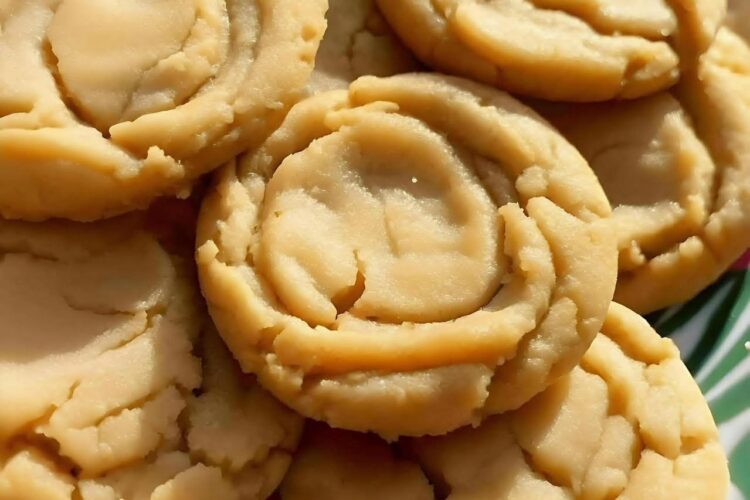
Few baked goods are as comforting and versatile as homemade buttermilk biscuits. Their golden exterior, soft interior, and buttery flavor have made them a favorite for generations. Whether served at breakfast with butter and jam, alongside a hearty bowl of soup, or as the base for a delicious sandwich, biscuits are known for their simple ingredients and satisfying texture.
Traditional biscuits are baked in a hot oven, but modern kitchen appliances have introduced an easier and often faster way to achieve excellent results. The air fryer, known for circulating hot air efficiently, produces biscuits with lightly crisp outsides and tender, fluffy centers while using less energy than a full-sized oven. This makes Air Fryer Buttermilk Biscuits an excellent choice for busy households, small kitchens, and anyone looking for a quick homemade bread option.
What Are Air Fryer Buttermilk Biscuits?
- Air Fryer Buttermilk Biscuits are a quick bread made from flour, butter, buttermilk, and chemical leavening agents such as baking powder and baking soda. Unlike yeast breads, biscuit dough does not require rising time. The leavening ingredients react immediately during cooking, creating steam and carbon dioxide that help the dough expand into soft layers.
- Cooking biscuits in an air fryer works because the appliance continuously circulates hot air around the dough. This promotes even browning while keeping the inside moist and tender. The result is a biscuit that has a lightly crisp exterior with a soft, buttery crumb inside.
A Brief History of Buttermilk Biscuits
- Biscuits have a long culinary history that dates back centuries. Early versions were simple mixtures of flour and water baked into flat rounds. As baking methods improved and chemical leavening agents became widely available during the nineteenth century, lighter and fluffier biscuits became popular.
- Buttermilk quickly became a preferred ingredient because it added moisture, a mild tangy flavor, and reacted naturally with baking soda to create additional lift. Over time, buttermilk biscuits became especially popular in Southern American cooking, where they were commonly served with butter, honey, gravy, fried chicken, or seasonal preserves.
- Today, biscuits remain a classic comfort food enjoyed in many different styles. The air fryer offers a modern approach that preserves the familiar taste while reducing cooking time.
Why Use an Air Fryer?
- An air fryer offers several advantages over a traditional oven.
- Faster Cooking
- The compact cooking chamber heats rapidly, allowing biscuits to bake in less time.
- Even Browning
- The constant movement of hot air encourages an evenly browned surface without frequent turning.
- Energy Efficient
- Heating a small air fryer generally consumes less energy than preheating a conventional oven, making it convenient for preparing smaller batches.
- Excellent Texture
- Air circulation creates a lightly crisp crust while keeping the center soft and fluffy.
- Convenient for Small Kitchens
- For people living in apartments, dormitories, or homes without a large oven, an air fryer provides an easy way to bake fresh biscuits.
Understanding the Ingredients
- Every ingredient contributes to the structure, flavor, and texture of the finished biscuits.
- All-Purpose Flour
- Flour forms the framework of the dough by providing gluten, which gives the biscuits enough structure to hold their shape while remaining tender.
- Baking Powder
- Baking powder is the primary leavening ingredient. It releases gas during cooking, helping the biscuits rise.
- Baking Soda
- Because buttermilk is naturally acidic, baking soda reacts with it to produce additional lift while balancing the flavor.
- Salt
- Salt enhances flavor and strengthens the dough structure.
- Sugar
- Although optional, a small amount of sugar adds a subtle sweetness and encourages attractive browning during cooking.
- Cold Butter
- Cold butter is one of the most important ingredients. Small pieces of butter remain intact while mixing and melt only during cooking. As they melt, they release steam that creates flaky layers.
- Buttermilk
- Buttermilk adds moisture, tenderness, and a gentle tang that complements the rich butter flavor. Its acidity also activates the baking soda.
The Science Behind Flaky Layers
- One of the defining characteristics of a great biscuit is its flaky texture. This texture develops because of tiny pieces of cold butter distributed throughout the dough.
- When the biscuits enter the hot air fryer, the butter melts and creates steam. The steam pushes apart thin layers of dough, forming light, airy pockets. If the butter melts before cooking begins, these steam pockets cannot develop properly, resulting in dense biscuits.
- This is why many bakers recommend chilling the dough if the kitchen is warm.
- Another important technique is folding the dough several times before cutting. Folding creates multiple thin layers that separate slightly during baking, producing a taller, flakier biscuit.
Tips for Success
- Working gently with the dough is one of the best ways to achieve tender biscuits. Excessive mixing develops too much gluten, making the biscuits tough instead of soft.
- Always use cold butter and cold buttermilk. If possible, chill the mixing bowl before starting.
- Measure the flour carefully by spooning it into the measuring cup and leveling the top rather than scooping directly from the container. Too much flour can make the dough dry.
- When cutting the biscuits, press the cutter straight down without twisting. Twisting seals the edges and may prevent the biscuits from rising fully.
- Avoid overcrowding the air fryer basket. Leave a small amount of space between each biscuit so the hot air can circulate freely.
Storage and Reheating
- Fresh biscuits taste best on the day they are baked, but leftovers store well.
- Keep them in an airtight container at room temperature for up to two days or refrigerate for up to five days.
- For longer storage, wrap each biscuit individually and freeze for up to two months.
- To reheat, place the biscuits in a preheated air fryer at 320°F (160°C) for three to four minutes until warmed through. This helps restore their lightly crisp exterior while keeping the inside soft. Avoid microwaving for extended periods, as it may soften the crust and reduce the flaky texture.
Recipe Information
- Recipe Name: Air Fryer Buttermilk Biscuits
- Recipe Category: Bread / Breakfast / Side Dish
- Cuisine: American
- Difficulty Level: Easy
- Yield: 8 medium biscuits
- Preparation Time: 20 minutes
- Cooking Time: 8–10 minutes per batch
- Total Time: Approximately 35–40 minutes
Ingredients
Dry Ingredients
- 2 cups (250 g) all-purpose flour
- 1 tablespoon baking powder
- ½ teaspoon baking soda
- 1 teaspoon salt
- 1 tablespoon granulated sugar (optional)
Why These Ingredients Matter
- Flour provides the structure of the biscuits, while baking powder and baking soda work together to produce a light, fluffy texture. Salt enhances the flavor of every ingredient, and a small amount of sugar encourages gentle browning while adding a subtle sweetness.
Fat
- ½ cup (113 g) unsalted butter, very cold and cut into small cubes
- Cold butter is the secret to flaky biscuits. As the butter melts during cooking, it creates steam that separates the dough into delicate layers.
Liquid
- ¾ cup (180 ml) cold buttermilk
- 1–2 additional tablespoons buttermilk if needed
- The dough should be soft and slightly shaggy but not sticky. Add extra buttermilk only if necessary.
Optional Topping
- 1 tablespoon melted butter
- Brushing warm biscuits with melted butter adds shine, extra flavor, and a soft buttery finish.
Equipment
- You will need:
- Large mixing bowl
- Measuring cups and spoons
- Pastry cutter or fork
- Rubber spatula or wooden spoon
- Rolling pin (optional)
- 2½-inch biscuit cutter
- Parchment paper
- Air fryer
- Cooling rack
- Pastry brush
- Mix the Dry Ingredients
- In a large bowl, whisk together the flour, baking powder, baking soda, salt, and sugar until evenly combined.
- Mixing these ingredients thoroughly helps ensure the biscuits rise evenly and have a consistent flavor throughout.
- Cut in the Butter
- Add the cold butter cubes to the flour mixture.
- Using a pastry cutter or fork, work the butter into the flour until the mixture resembles coarse crumbs with pea-sized pieces of butter still visible.
- Avoid overmixing. Those small butter pieces are essential for creating flaky layers during cooking.
- If the butter begins to soften, refrigerate the bowl for 10 minutes before continuing.
- Add the Buttermilk
- Gradually pour in the cold buttermilk while stirring gently with a spoon or spatula.
- Mix only until the dough comes together.
- The dough should look slightly rough and uneven. This is completely normal.
- If the mixture appears dry, add extra buttermilk one tablespoon at a time.
- Shape the Dough
- Transfer the dough onto a lightly floured work surface.
- Using your hands, gently press it into a rectangle approximately ¾ inch thick.
- Fold the dough in half.
- Rotate it 90 degrees.
- Flatten again.
- Repeat this folding process three times.
- Each fold creates additional layers that become beautifully flaky during cooking.
- After the final fold, gently pat the dough until it is approximately one inch thick.
- Cut the Biscuits
- Dip a biscuit cutter into flour.
- Press straight down through the dough.
- Do not twist the cutter.
- Twisting seals the edges and reduces the biscuit’s ability to rise.
- Arrange the biscuits on a sheet of parchment paper.
- Gather the scraps gently and cut additional biscuits.
- Avoid repeatedly reworking the dough, as this can make the biscuits tougher.
- Preheat the Air Fryer
- Preheat the air fryer to 350°F (175°C) for 3 to 5 minutes.
- A properly preheated air fryer promotes even cooking and better browning.
- Arrange the Biscuits
- Place a piece of trimmed parchment paper inside the basket.
- Arrange the biscuits with a small amount of space between each one.
- Do not overcrowd the basket.
- Cook in batches if necessary.
- Good airflow is essential for even cooking.
- Air Fry
- Cook at 350°F (175°C) for 8–10 minutes.
- Check the biscuits after 8 minutes.
- They should be lightly golden on top with a fully cooked center.
- If necessary, cook for an additional 1–2 minutes.
- The internal temperature should reach approximately 200°F (93°C).
- Brush with Butter
- Carefully remove the biscuits from the basket.
- Immediately brush the tops with melted butter.
- This enhances both flavor and appearance.
- Allow the biscuits to cool for two or three minutes before serving.
Texture and Flavor
- When prepared correctly, Air Fryer Buttermilk Biscuits should have:
- A lightly crisp golden exterior
- A soft and fluffy interior
- Distinct flaky layers
- Rich buttery flavor
- Mild tanginess from the buttermilk
- Tender crumb without being dry
Nutrition Information
- Approximate values per biscuit (based on 8 servings):
| Nutrient | Amount |
|---|---|
| Calories | 210 kcal |
| Total Fat | 11 g |
| Saturated Fat | 7 g |
| Cholesterol | 30 mg |
| Sodium | 320 mg |
| Carbohydrates | 24 g |
| Dietary Fiber | 1 g |
| Total Sugars | 2 g |
| Protein | 4 g |
| Calcium | 8% DV |
| Iron | 7% DV |
Storage Instructions
- Room Temperature
- Store cooled biscuits in an airtight container for up to 2 days.
- Refrigerator
- Refrigerate in a sealed container for up to 5 days.
- Freezer
- Wrap each biscuit individually in plastic wrap or aluminum foil.
- Place them in a freezer-safe container or bag.
- Freeze for up to 2 months.
Reheating Instructions
- Air Fryer
- 320°F (160°C)
- 3–4 minutes
- Produces the best texture.
- Oven
- 350°F (175°C)
- 5–7 minutes
- Ideal for reheating several biscuits at once.
- Microwave
- 15–20 seconds
- Quick but produces a softer exterior.
