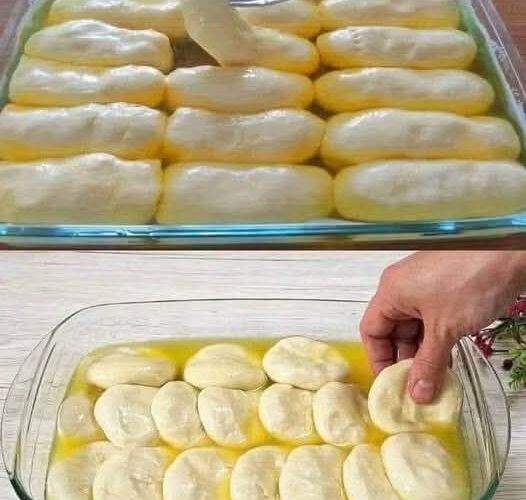
There is something truly comforting about freshly baked bread, especially when it comes in the form of soft, fluffy, golden Turkish-style yeast rolls. These bakery-style rolls are known for their light texture, buttery flavor, and slightly sweet aroma that fills the kitchen as they bake. Perfect for breakfast, afternoon tea, holiday tables, or family dinners, these homemade yeast rolls are a beautiful combination of simplicity and elegance.
Often compared to European-style brioche or milk buns, these rolls are soft inside, lightly golden outside, and melt in your mouth with every bite. They are slightly enriched with butter, milk, egg, and a touch of sugar, giving them a tender crumb and rich flavor profile.
If you are searching for the best soft yeast roll recipe, fluffy Turkish bread rolls, homemade dinner rolls, or bakery-style milk buns, this recipe delivers everything you need for perfect results at home.
These rolls are versatile, easy to prepare with basic pantry ingredients, and suitable for both sweet and savory pairings. Whether you enjoy them plain with butter, stuffed with cheese, or served alongside soups and stews, they always bring warmth and comfort to the table.
The Charm of Turkish-Style Soft Yeast Rolls
Turkish-inspired bread rolls are beloved for their delicate texture and golden finish. Unlike dense bread, these rolls are enriched dough-based, meaning they contain fat (butter), dairy (milk), and eggs, which create a softer and more tender crumb.
This style of bread is popular in many European and Middle Eastern kitchens, where bread is not just a side dish but a central part of the meal. These rolls are often served at breakfast tables, tea-time spreads, or festive gatherings.
What makes them special is their balance:
- Slight sweetness without being a dessert
- Buttery richness without heaviness
- Light, airy texture with soft chew
They are also visually appealing, with a glossy golden crust and soft interior that pulls apart beautifully.Why This Soft Yeast Roll Recipe Works So Well
The success of fluffy homemade yeast rolls depends on a few key baking principles: proper yeast activation, correct kneading, sufficient rising time, and gentle baking.
This recipe works because:
- Yeast is properly activated for maximum rise
- Dough is enriched with butter, milk, and egg
- Gluten is developed through kneading for elasticity
- Two rising stages create light, airy texture
- Egg wash gives a bakery-style golden crust
Each step plays an important role in achieving soft, cloud-like rolls.
Understanding the Key Ingredients
All-Purpose Flour – The Structure Builder
Flour forms the base of the dough. It provides structure and supports the rise created by yeast. All-purpose flour is ideal because it balances strength and softness.
A good dough texture should feel smooth and slightly elastic, not sticky or dry.
Active Dry Yeast – The Rising Power
Yeast is what makes these rolls light and fluffy. When activated properly in warm liquid with sugar, it produces carbon dioxide gas, which causes the dough to rise.
Foamy yeast indicates it is active and ready for use.
Warm Milk and Water – Softness Enhancers
Milk adds richness, softness, and flavor, while warm water helps activate yeast. The combination creates a tender dough with improved texture.
Using warm (not hot) liquids is essential to avoid killing the yeast.
Butter – The Flavor and Softness Factor
Melted unsalted butter adds richness and moisture. It also helps create a soft crumb and slightly golden crust.
Butter is what gives these rolls their bakery-style taste and melt-in-the-mouth texture.
Egg – Structure and Richness
Eggs enrich the dough and help bind ingredients together. They also contribute to softness and color.
An egg wash is used before baking to create a shiny golden surface.
Sugar and Salt – Flavor Balance
Sugar adds mild sweetness and helps activate yeast. Salt balances flavor and strengthens dough structure.
Even though the rolls are slightly sweet, they remain versatile for both sweet and savory use.
The Importance of Proper Dough Kneading
Kneading is one of the most important steps in bread making. It develops gluten, which gives the dough elasticity and structure.
Properly kneaded dough should be:
- Smooth
- Soft
- Elastic
- Slightly springy
Under-kneaded dough results in dense rolls, while over-kneading can make them tough.
The ideal kneading time is 8–10 minutes by hand or until the dough becomes soft and stretchy.
Why Dough Needs Two Rising Stages
First Rise – Flavor Development
The first rise allows yeast to ferment and develop flavor. During this time, the dough doubles in size and becomes airy.
Second Rise – Final Puffiness
After shaping, the second rise ensures the rolls become light and fluffy before baking. This step is what creates bakery-style softness.
Skipping either rise will result in dense rolls.
Shaping the Perfect Rolls
Once the dough has risen, it is gently punched down to remove excess air. Then it is divided into equal portions and shaped into smooth balls.
Smooth shaping helps:
- Create even baking
- Improve appearance
- Ensure uniform texture
Placing them close together on a baking tray allows them to rise upward and bake into soft, pull-apart rolls.
The Secret to a Golden Bakery Finish
The egg yolk and milk mixture brushed on top before baking creates a glossy golden crust.
This step:
- Enhances color
- Adds shine
- Improves texture
For extra flavor and texture, sesame seeds or nigella seeds can be sprinkled on top.
These seeds are commonly used in Turkish baking and add a subtle nutty aroma.
Baking Process and Aroma Development
When baked at 180°C (350°F), the rolls expand, turn golden, and develop a soft crust.
During baking:
- Yeast expands dough
- Butter melts into crumb
- Milk solids brown lightly
- Sugar caramelizes gently
The result is a soft, aromatic bread with a golden exterior and fluffy interior.
The smell of baking yeast rolls is warm, comforting, and inviting—perfect for home baking.
Why These Rolls Stay Soft for Longer
These rolls remain soft because of:
- Milk and butter in the dough
- Proper gluten development
- Balanced hydration
- Controlled baking temperature
They do not dry out quickly like lean bread because of their enriched dough base.
Serving Ideas for Turkish-Style Yeast Rolls
These rolls are incredibly versatile and can be served in many ways:
Breakfast Option
- Butter and jam
- Honey drizzle
- Cream cheese spread
Savory Pairings
- Cheese fillings
- Eggs and sausage
- Soups and stews
Snack or Tea Time
- Plain with tea or coffee
- Stuffed with chocolate or jam
- Served with dips
They also work beautifully as sandwich rolls.
Filling and Variation Ideas
One of the best things about this recipe is how easily it can be customized.
Sweet Variations
- Chocolate filling
- Fruit jam
- Cinnamon sugar
Savory Variations
- Cheese stuffing
- Minced meat filling
- Herb butter filling
These variations transform simple rolls into gourmet-style baked goods.
Expert Tips for Perfect Results
- Always use warm (not hot) liquids for yeast activation
- Do not rush rising time
- Knead until smooth and elastic
- Do not over-bake to keep softness
- Brush butter after baking for extra softness
- Allow rolls to cool slightly before serving
Following these tips ensures bakery-quality results every time.
Why These Rolls Are So Popular
Soft Turkish-style yeast rolls are loved because they are:
- Easy to make at home
- Soft and fluffy
- Lightly sweet and buttery
- Perfect for any meal
- Highly versatile
They bring bakery-style quality into a simple homemade recipe.
A Timeless Homemade Bread Recipe
These fluffy yeast rolls represent the beauty of traditional baking—simple ingredients transformed into something warm, comforting, and satisfying.
They are perfect for beginners and experienced bakers alike, offering consistent results and endless serving possibilities.
Whether served fresh from the oven or enjoyed later with fillings, these soft Turkish-style rolls always deliver a comforting homemade experience.
Part 2: Simple Recipe Version
Soft Turkish Butter Yeast Rolls
Preparation Time
- Prep Time: 20 minutes
- Rising Time: 2–2.5 hours
- Bake Time: 18–22 minutes
- Total Time: About 3 hours
Ingredients
- 3 cups all-purpose flour
- 2 tablespoons sugar
- 1 teaspoon salt
- 2 ¼ teaspoons (1 packet) active dry yeast
- ½ cup warm milk (110°F / 43°C)
- ¼ cup warm water
- ¼ cup unsalted butter, melted
- 1 large egg (for dough)
- 1 egg yolk + 1 tablespoon milk (for brushing)
- Optional: sesame seeds or nigella seeds
Instructions
Step 1: Activate Yeast
Mix warm milk, warm water, sugar, and yeast. Let sit for 5–10 minutes until foamy.
Step 2: Make Dough
In a bowl, combine flour and salt.
Add yeast mixture, melted butter, and egg.
Knead for 8–10 minutes until smooth and elastic.
Step 3: First Rise
Cover dough and let rise for 1–1.5 hours until doubled.
Step 4: Shape Rolls
Punch down dough.
Divide into 12 pieces and shape into smooth balls.
Place on baking tray.
Step 5: Second Rise
Cover and let rise for 30–45 minutes until puffy.
Step 6: Prepare for Baking
Preheat oven to 180°C (350°F).
Brush rolls with egg yolk + milk mixture.
Add seeds if desired.
Step 7: Bake
Bake for 18–22 minutes until golden brown.
Step 8: Serve
Let cool slightly and enjoy warm.
Serving Ideas
- Butter and jam
- Cheese fillings
- Tea or coffee pairing
- Soup side rolls
Storage
Store in an airtight container for up to 3 days.
