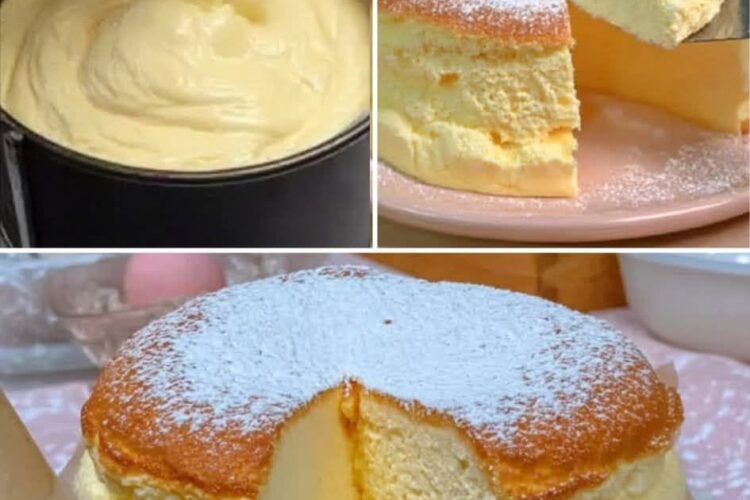
Finding a dessert that fits a low-carbohydrate lifestyle can sometimes feel challenging. Many traditional cakes rely on wheat flour and large amounts of sugar, which may not work for people following keto or reduced-sugar eating patterns. Keto cloud cake offers a different approach by focusing on simple ingredients that create a soft, delicate dessert without relying on conventional baking ingredients.
This cake is known for its incredibly light texture. Instead of being heavy or dense like some low-carb baked goods, cloud cake has a tender crumb that feels airy and smooth. The combination of low-carb flours, eggs, healthy fats, and carefully chosen sweeteners creates a dessert that feels special while still fitting into a keto-friendly lifestyle.
Whether served as an everyday treat, an afternoon snack, or a dessert for guests, this cake proves that low-carb baking can still be enjoyable. With the right balance of ingredients and proper preparation techniques, you can create a cake that is flavorful, moist, and satisfying.
What Makes Keto Cloud Cake Different?
- Traditional cakes usually depend on wheat flour and sugar to create structure, sweetness, and moisture. Removing these ingredients requires a different baking approach.
- Keto cloud cake uses alternative ingredients that work together to recreate some of the qualities people love about classic cakes:
- Low-carb flour provides structure.
- Eggs create stability and help the cake rise.
- Butter adds richness and tenderness.
- Low-carb sweeteners provide sweetness without traditional sugar.
- Yogurt helps maintain moisture.
- The result is a cake with a soft texture rather than the dry or crumbly consistency that can sometimes happen with low-carb baking.
The Secret Behind the Cloud-Like Texture
- The name “cloud cake” comes from its soft, delicate texture. Each bite should feel light while still having enough moisture and richness to satisfy a dessert craving.
- Several factors contribute to this texture.
- Eggs Provide Structure and Airiness
- Eggs are one of the most important ingredients in this type of cake. They help bind the ingredients together while also contributing to the cake’s rise.
- When eggs are properly incorporated into the batter, they help create tiny pockets of air. These pockets expand during baking, resulting in a lighter texture.
- The Right Combination of Low-Carb Flours
- Low-carb baking often requires combining different types of flour because each one behaves differently.
- Almond flour adds:
- Moisture
- Mild nutty flavor
- Tenderness
- Coconut flour contributes:
- Absorption
- Structure
- A lighter crumb
- Using a combination of flours often produces better results than relying on only one type.
Fat Creates a Tender Crumb
- Butter plays an important role in creating a soft cake texture. Fat coats the flour particles and helps prevent the cake from becoming dry.
- It also contributes a rich flavor that balances the mild sweetness of keto-friendly sweeteners.
Understanding the Main Ingredients
- Almond Flour
- Almond flour is one of the most common ingredients in keto baking. It is made from finely ground almonds and provides a moist texture with a slightly nutty flavor.
- Unlike wheat flour, almond flour does not contain gluten, so it behaves differently in recipes. It works best when combined with ingredients that provide structure, such as eggs.
- When choosing almond flour, finely ground varieties usually produce the smoothest cake texture.
- Coconut Flour
- Coconut flour is highly absorbent, meaning a small amount can absorb a significant amount of liquid.
- This ingredient helps balance the moisture from butter, eggs, and yogurt. However, because it absorbs so much liquid, it should be measured carefully.
- Adding too much coconut flour can result in a dry cake, while the correct amount helps create a soft and stable crumb.
- Keto-Friendly Sweeteners
- Traditional sugar provides sweetness and affects the texture of baked goods. Keto baking requires alternative sweeteners that can provide similar results.
- Common options include:
- Erythritol
- Monk fruit blends
- Stevia blends
- Allulose
- Powdered sweeteners often work well because they dissolve more easily into the batter and create a smoother texture.
- The sweetness level can be adjusted depending on personal preference.
Greek Yogurt or Coconut Yogurt
- Yogurt helps solve one of the biggest challenges in low-carb baking: dryness.
- It adds moisture and creates a softer interior while contributing a mild tang that balances sweetness.
- For a dairy-free version, coconut yogurt can be used as an alternative.
- Vanilla Extract
- Vanilla enhances the overall flavor of the cake. Even a small amount can make the dessert taste more complete and balanced.
- Sugar-free vanilla extract is often used in keto recipes to avoid adding unnecessary carbohydrates.
The Importance of Ingredient Temperature
- Using ingredients at the correct temperature can significantly improve the final result.
- Room-temperature eggs and softened butter combine more easily, creating a smoother batter.
- Cold ingredients may cause the butter to harden or separate, which can affect the texture of the finished cake.
- For best results:
- Remove eggs from the refrigerator before baking.
- Allow butter to soften naturally.
- Measure ingredients carefully.
Preparing the Batter Correctly
- The way ingredients are mixed affects the final texture.
- Begin by creating a smooth butter and sweetener mixture. This step helps distribute sweetness evenly throughout the batter.
- Add eggs gradually rather than all at once. This allows them to blend properly and prevents the mixture from becoming uneven.
- Dry ingredients should be mixed separately before adding them to the wet ingredients. This helps distribute the baking powder and flours evenly.
- Avoid overmixing after adding the flour because excessive mixing can make the cake heavier.
Baking Tips for the Perfect Keto Cloud Cake
- Prepare the Pan Properly
- Using parchment paper helps prevent sticking and makes removing the cake easier after baking.
- A properly prepared pan also helps the cake maintain its shape.
- Use the Correct Temperature
- Baking temperature plays an important role in texture.
- A moderate oven temperature allows the cake to rise evenly while giving the center enough time to cook.
- If the temperature is too high, the outside may brown before the inside is fully set.
- Avoid Overbaking
- Low-carb cakes can become dry if baked too long.
- A toothpick inserted into the center should come out clean or with a few moist crumbs.
- The cake will continue setting slightly as it cools.
Cooling Is an Important Step
- Many people want to slice a cake immediately after removing it from the oven, but cooling is essential.
- As the cake cools:
- The structure becomes stronger.
- Moisture redistributes.
- The texture becomes softer and easier to slice.
- Allowing the cake to cool completely usually produces better results.
- Serving Suggestions
- Keto cloud cake is delicious on its own, but toppings can make it even more enjoyable.
- Fresh Berries
- Low-sugar fruits such as:
- Strawberries
- Raspberries
- Blackberries
- add natural color and freshness.
- Whipped Cream
- A small amount of unsweetened whipped cream creates a classic dessert combination.
- Sugar-Free Chocolate
- Chocolate shavings or a light chocolate drizzle can create a richer dessert experience.
- Nut Toppings
- Chopped:
- Almonds
- Pecans
- Walnuts
- add crunch and extra flavor.
- Cream Cheese Frosting
- A thin layer of keto-friendly cream cheese frosting can transform the cake into a celebration dessert.
Storage Instructions
- Proper storage helps maintain the cake’s softness.
- Store the cooled cake in an airtight container.
- At room temperature, it is best enjoyed within a short period.
- For longer freshness:
- Refrigerate for several days.
- Allow slices to come closer to room temperature before serving.
- The cake can also be frozen. Wrap individual slices tightly and thaw when needed.
Common Keto Baking Problems and Solutions
Cake Is Too Dry
- Possible causes:
- Too much coconut flour
- Overbaking
- Not enough moisture
- Solution:
- Measure ingredients carefully and avoid baking longer than necessary.
Cake Is Too Dense
- Possible causes:
- Overmixing
- Incorrect ingredient ratios
- Not enough air incorporated
- Solution:
- Mix gently and ensure eggs are properly incorporated.
Cake Falls After Baking
- Some settling is normal, but a large collapse may happen because of:
- Underbaking
- Too much liquid
- Opening the oven too early
- Allow the cake to bake fully before removing it.
Why This Dessert Works for Many Occasions
- Keto cloud cake is more than just a low-carb substitute for traditional cake. Its soft texture and adaptable flavor make it suitable for many situations.
- It can be served as:
- A weekday dessert
- A birthday treat
- A holiday sweet
- A coffee-time snack
- A simple after-dinner dessert
- Its balanced flavor allows it to appeal even to people who do not follow a keto lifestyle.
Fluffy Keto Cloud Cake Recipe
- This keto cloud cake is a soft, tender dessert designed for anyone who enjoys a light cake while reducing traditional carbohydrates. It combines low-carb baking ingredients to create a moist crumb, gentle sweetness, and a delicate texture that works well for everyday desserts or special occasions.
- Unlike many low-carb cakes that can feel heavy, this recipe focuses on creating a balanced texture. The combination of almond flour, coconut flour, eggs, butter, and yogurt helps produce a cake that is flavorful while remaining light and satisfying.
- Enjoy it plain with a cup of coffee or tea, or add keto-friendly toppings such as whipped cream, berries, or sugar-free chocolate for a more decorative dessert.
Recipe Information
- Recipe Name: Keto Cloud Cake
- Category: Keto Dessert, Low-Carb Baking
- Difficulty: Easy
- Preparation Time: 15 minutes
- Baking Time: 35–40 minutes
- Cooling Time: 30 minutes
- Total Time: Approximately 1 hour 20 minutes
- Servings: 10 slices
- Calories: Approximately 280–320 calories per serving
- Net Carbohydrates: Approximately 4–6 grams per serving
Ingredients
Cake Ingredients
- 1 cup plain Greek yogurt or unsweetened coconut yogurt
- 1 cup powdered erythritol or another keto-friendly powdered sweetener
- ¾ cup unsalted butter, softened
- 1 cup almond flour
- ¼ cup coconut flour
- 5 large eggs, room temperature
- 2 teaspoons sugar-free vanilla extract
- 2 teaspoons baking powder
- ¼ teaspoon salt
Optional Toppings
- Choose any combination of keto-friendly toppings:
- Unsweetened whipped cream
- Fresh strawberries
- Raspberries
- Blackberries
- Blueberries (in moderation)
- Sugar-free chocolate chips
- Chopped pecans
- Sliced almonds
- Coconut flakes
- Sugar-free chocolate drizzle
- Cream cheese frosting
Equipment Needed
- 8-inch or 9-inch round cake pan
- Mixing bowls
- Electric hand mixer or stand mixer
- Measuring cups and spoons
- Rubber spatula
- Parchment paper
- Toothpick for testing doneness
- Cooling rack
Instructions
- Prepare the Oven and Pan
- Preheat the oven to 350°F (175°C).
- Line a round cake pan with parchment paper.
- Lightly grease the sides of the pan to make removing the cake easier after baking.
- Proper pan preparation helps maintain the cake’s shape and prevents sticking.
- Combine Butter and Sweetener
- Place the softened butter into a large mixing bowl.
- Add the powdered erythritol.
- Using an electric mixer, beat the mixture until it becomes smooth, creamy, and slightly fluffy.
- This step helps distribute the sweetener evenly and creates a better cake texture.
- Add the Eggs
- Add the eggs one at a time.
- Mix well after adding each egg before adding the next.
- Adding eggs gradually helps create a smoother batter and prevents separation.
- Continue mixing until the mixture looks uniform.
- Add Yogurt and Vanilla
- Add the Greek yogurt or coconut yogurt.
- Pour in the vanilla extract.
- Mix gently until everything is combined.
- The yogurt adds moisture and helps create a soft interior.
- Prepare the Dry Ingredients
- In a separate bowl, combine:
- Almond flour
- Coconut flour
- Baking powder
- Salt
- Mix the dry ingredients together so the baking powder and salt are evenly distributed.
- Combine Wet and Dry Mixtures
- Slowly add the dry ingredients into the wet mixture.
- Mix gently until a smooth batter forms.
- Avoid overmixing because too much mixing can make the cake heavier.
- The finished batter should be thick but spreadable.
- Transfer the Batter to the Pan
- Pour the batter into the prepared cake pan.
- Use a spatula to smooth the surface.
- Tap the pan gently on the counter to remove any large air bubbles.
- Bake the Cake
- Place the pan in the preheated oven.
- Bake for approximately 35–40 minutes.
- The cake is ready when:
- The top is lightly golden.
- The center feels firm.
- A toothpick inserted into the middle comes out clean or with a few moist crumbs.
- Avoid baking too long because low-carb cakes can lose moisture if overbaked.
- Cool Before Serving
- Remove the cake from the oven.
- Allow it to cool in the pan for about 15 minutes.
- Carefully transfer it to a cooling rack and let it cool completely before slicing.
- Cooling allows the structure to set and improves the final texture.
- Add Toppings and Serve
- Once cooled, decorate or serve the cake as desired.
- Simple options include:
- A dusting of powdered erythritol
- Fresh berries
- Whipped cream
- Chopped nuts
- Slice and enjoy.
Nutrition
- Calories: 300
- Total Fat: 29 g
- Saturated Fat: 12 g
- Protein: 7 g
- Total Carbohydrates: 8 g
- Dietary Fiber: 3 g
- Net Carbohydrates: 5 g
- Sugar: 2 g
- Sodium: 180 mg
- Calcium: 90 mg
- Iron: 1.5 mg
Helpful Baking Tips
Use Room Temperature Ingredients
- Room-temperature butter and eggs blend more easily and create a smoother batter.
- Cold ingredients can cause uneven mixing.
- Measure Coconut Flour Carefully
- Coconut flour absorbs a lot of moisture.
- Adding too much can make the cake dry, so accurate measuring is important.
- Do Not Overmix
- Once the flour is added, mix only until combined.
- Overmixing can reduce the light texture of the cake.
- Allow Proper Cooling Time
- Cutting the cake while it is still warm may cause it to crumble.
- Cooling helps the cake become more stable.
- Adjust Sweetness
- Different keto sweeteners vary in sweetness.
- Taste preferences differ, so you can slightly increase or decrease the sweetener amount.
Storage Instructions
Room Temperature
- Store the cake covered in an airtight container for up to one day.
- Keep it away from heat and moisture.
Refrigerator Storage
- For longer freshness:
- Store in a sealed container.
- Refrigerate for up to 5 days.
- Allow slices to sit at room temperature briefly before serving for a softer texture.
Freezer Storage
- This cake freezes well.
- To freeze:
- Cut the cake into individual slices.
- Wrap each slice tightly.
- Store in a freezer-safe container.
- Frozen slices can be thawed in the refrigerator overnight or at room temperature before eating.
