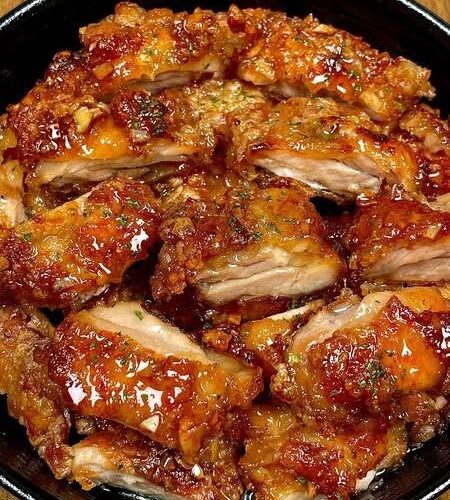
Honey garlic chicken is the kind of meal that proves a delicious dinner does not need complicated ingredients or hours in the kitchen. With a combination of tender chicken, a sweet and savory sauce, and a few simple seasonings, you can create a restaurant-style dish right at home.
This recipe has become a favorite for busy weeknights because it comes together quickly while still delivering bold flavors. The sauce combines natural sweetness from honey with the deep savory taste of soy sauce, creating a glossy coating that sticks beautifully to every piece of chicken. Fresh garlic and ginger add warmth and aroma, while a touch of vinegar balances the sweetness and keeps the flavor from becoming too heavy.
Served over steamed rice, noodles, or vegetables, honey garlic chicken makes a satisfying meal that works for families, meal preparation, or casual dinners with guests. The recipe is easy enough for beginners but flavorful enough to become a regular part of your cooking routine.
Why Honey Garlic Chicken Is So Loved
Many chicken recipes depend on complicated marinades, long cooking times, or large ingredient lists. Honey garlic chicken takes a simpler approach by using a small number of ingredients that work together perfectly.
The appeal comes from the balance of flavors:
- Honey provides sweetness and helps create a beautiful glaze.
- Soy sauce adds saltiness and rich umami flavor.
- Garlic brings a bold savory aroma.
- Ginger adds a gentle spicy warmth.
- Vinegar brightens the sauce and balances the sweetness.
When these ingredients cook together, they transform into a thick, shiny sauce that coats the chicken with incredible flavor.
Another reason this recipe is popular is its flexibility. It can be made with chicken thighs or chicken breast, adjusted for different spice preferences, and served with many different side dishes.
Choosing the Best Chicken for This Recipe
The type of chicken you choose affects the final texture of the dish.
Chicken Thighs
Chicken thighs are often preferred because they contain more natural fat, which helps them stay juicy during cooking.
Advantages of chicken thighs:
- More flavorful
- Less likely to dry out
- Tender texture
- Works well with sauces
Boneless, skinless thighs are especially convenient because they cook quickly and are easy to cut into bite-sized pieces.
Chicken Breast
Chicken breast is a lighter option and works well if you prefer leaner meat.
To keep chicken breast tender:
- Avoid overcooking.
- Cut pieces evenly.
- Cook over medium-high heat.
- Coat well with sauce before serving.
Both options create a delicious result, so the choice depends on personal preference.
The Secret to a Perfect Honey Garlic Sauce
The sauce is the heart of this recipe. A great honey garlic glaze should have a balance of sweetness, saltiness, acidity, and aroma.
Honey
Honey provides natural sweetness and helps create the sticky texture that makes this dish so appealing.
As the sauce cooks, honey thickens and creates a glossy coating around the chicken.
You can use different types of honey, but mild-flavored varieties allow the garlic and ginger to stand out.
Soy Sauce
Soy sauce provides depth and savory flavor.
For different dietary needs:
- Use low-sodium soy sauce to reduce salt.
- Use tamari for a gluten-free option.
- Use coconut aminos for an alternative flavor.
Garlic
Fresh garlic gives the sauce its signature savory character.
Minced garlic releases more flavor than whole cloves because more surface area is exposed during cooking.
Ginger
Fresh ginger adds brightness and warmth.
It prevents the sauce from tasting overly sweet and gives the dish a more complex flavor.
Vinegar
A small amount of vinegar creates balance.
Without acidity, sweet sauces can taste too heavy. Vinegar adds freshness and helps every flavor stand out.
Why Thickening the Sauce Matters
A thin sauce may taste good, but a thick glaze creates the classic honey chicken experience.
Cornstarch is commonly used to thicken the sauce because it creates a smooth coating without changing the flavor.
When mixed with water first, cornstarch creates a slurry that blends easily into the sauce.
The result is:
- A shiny appearance
- A thicker texture
- Better coating on the chicken
The sauce should cling to each piece rather than pooling at the bottom of the plate.
Preparing the Chicken Properly
Preparation plays an important role in achieving juicy, flavorful chicken.
Cut Even Pieces
Cutting the chicken into evenly sized strips or cubes helps everything cook at the same rate.
Uneven pieces may result in some chicken becoming dry while other pieces remain undercooked.
Season Before Cooking
Even though the sauce contains plenty of flavor, lightly seasoning the chicken before searing creates another layer of taste.
Simple seasoning with salt and pepper is usually enough.
Avoid Overcrowding the Pan
Cooking too much chicken at once can lower the pan temperature.
This causes the chicken to release moisture instead of developing a golden exterior.
For the best browning:
- Use a large pan.
- Cook in batches if needed.
- Leave space between pieces.
The Importance of Searing
Searing creates flavor through browning.
When chicken touches a hot pan, the outside develops a golden color and richer taste. This step adds depth that cannot be achieved by simply simmering chicken in sauce.
A good sear requires:
- Properly heated oil
- Dry chicken pieces
- Enough cooking space
- Patience before flipping
Allow the chicken to develop color before stirring frequently.
How to Build Maximum Flavor
The cooking order matters.
A reliable method is:
- Brown the chicken first.
- Remove it temporarily.
- Create the sauce in the same pan.
- Add the chicken back.
- Allow everything to cook together.
Cooking the sauce in the same pan allows it to absorb flavorful browned bits left behind from the chicken.
These small pieces add extra richness to the final dish.
Serving Ideas for Honey Garlic Chicken
This recipe pairs well with many side dishes.
Steamed Rice
Rice is one of the most popular choices because it absorbs the extra sauce.
Options include:
- White rice
- Brown rice
- Jasmine rice
- Basmati rice
- Cauliflower rice
Noodles
The sweet and savory glaze works beautifully with noodles.
Try:
- Stir-fry noodles
- Rice noodles
- Lo mein-style noodles
Vegetables
Balance the meal with colorful vegetables.
Good choices include:
- Broccoli
- Green beans
- Carrots
- Bell peppers
- Snow peas
- Mushrooms
Garnishes
Simple toppings can improve presentation.
Try:
- Sliced green onions
- Sesame seeds
- Fresh herbs
- Red pepper flakes
Easy Variations
Spicy Honey Garlic Chicken
Add:
- Red pepper flakes
- Chili sauce
- Sriracha
- Fresh chili peppers
This creates a sweet and spicy version.
Honey Lemon Chicken
Replace some vinegar with fresh lemon juice for a brighter citrus flavor.
Crispy Honey Chicken
Coat chicken pieces lightly before frying, then toss them with the sauce for a crispy texture.
Vegetable Honey Chicken Stir-Fry
Add vegetables directly into the pan for a complete one-dish meal.
Slow Cooker Version
The ingredients can be adapted for slow cooking by allowing the chicken to cook gently while absorbing the sauce flavors.
Meal Prep Benefits
Honey garlic chicken is excellent for meal preparation.
Prepare a larger batch and divide it into containers with rice and vegetables.
Stored properly, it can provide ready-to-eat lunches or dinners throughout the week.
For best results:
- Keep sauce and rice covered.
- Refrigerate promptly.
- Reheat gently to maintain tenderness.
Common Mistakes to Avoid
Using Too Much Heat
Very high heat can burn the honey before the sauce develops properly.
Medium heat is usually better when caramelizing the glaze.
Adding Cornstarch Directly
Always mix cornstarch with water first.
Adding dry cornstarch directly can create lumps.
Overcooking the Chicken
Chicken continues cooking slightly after being removed from heat.
Cook until just done to maintain tenderness.
Making the Sauce Too Sweet
Balance is important.
If the sauce tastes too sweet, add a little vinegar or soy sauce to adjust the flavor.
Storage and Reheating Tips
Store leftover honey garlic chicken in an airtight container.
Refrigerate for up to 3–4 days.
To reheat:
- Warm gently on the stovetop.
- Microwave in short intervals.
- Add a small splash of water if the sauce becomes too thick.
Avoid overheating because repeated high heat can make chicken dry.
Honey garlic chicken is the kind of meal that proves a delicious dinner does not need complicated ingredients or hours in the kitchen. With a combination of tender chicken, a sweet and savory sauce, and a few simple seasonings, you can create a restaurant-style dish right at home.
This recipe has become a favorite for busy weeknights because it comes together quickly while still delivering bold flavors. The sauce combines natural sweetness from honey with the deep savory taste of soy sauce, creating a glossy coating that sticks beautifully to every piece of chicken. Fresh garlic and ginger add warmth and aroma, while a touch of vinegar balances the sweetness and keeps the flavor from becoming too heavy.
Served over steamed rice, noodles, or vegetables, honey garlic chicken makes a satisfying meal that works for families, meal preparation, or casual dinners with guests. The recipe is easy enough for beginners but flavorful enough to become a regular part of your cooking routine.
Why Honey Garlic Chicken Is So Loved
Many chicken recipes depend on complicated marinades, long cooking times, or large ingredient lists. Honey garlic chicken takes a simpler approach by using a small number of ingredients that work together perfectly.
The appeal comes from the balance of flavors:
- Honey provides sweetness and helps create a beautiful glaze.
- Soy sauce adds saltiness and rich umami flavor.
- Garlic brings a bold savory aroma.
- Ginger adds a gentle spicy warmth.
- Vinegar brightens the sauce and balances the sweetness.
When these ingredients cook together, they transform into a thick, shiny sauce that coats the chicken with incredible flavor.
Another reason this recipe is popular is its flexibility. It can be made with chicken thighs or chicken breast, adjusted for different spice preferences, and served with many different side dishes.
Choosing the Best Chicken for This Recipe
The type of chicken you choose affects the final texture of the dish.
Chicken Thighs
Chicken thighs are often preferred because they contain more natural fat, which helps them stay juicy during cooking.
Advantages of chicken thighs:
- More flavorful
- Less likely to dry out
- Tender texture
- Works well with sauces
Boneless, skinless thighs are especially convenient because they cook quickly and are easy to cut into bite-sized pieces.
Chicken Breast
Chicken breast is a lighter option and works well if you prefer leaner meat.
To keep chicken breast tender:
- Avoid overcooking.
- Cut pieces evenly.
- Cook over medium-high heat.
- Coat well with sauce before serving.
Both options create a delicious result, so the choice depends on personal preference.
The Secret to a Perfect Honey Garlic Sauce
The sauce is the heart of this recipe. A great honey garlic glaze should have a balance of sweetness, saltiness, acidity, and aroma.
Honey
Honey provides natural sweetness and helps create the sticky texture that makes this dish so appealing.
As the sauce cooks, honey thickens and creates a glossy coating around the chicken.
You can use different types of honey, but mild-flavored varieties allow the garlic and ginger to stand out.
Soy Sauce
Soy sauce provides depth and savory flavor.
For different dietary needs:
- Use low-sodium soy sauce to reduce salt.
- Use tamari for a gluten-free option.
- Use coconut aminos for an alternative flavor.
Garlic
Fresh garlic gives the sauce its signature savory character.
Minced garlic releases more flavor than whole cloves because more surface area is exposed during cooking.
Ginger
Fresh ginger adds brightness and warmth.
It prevents the sauce from tasting overly sweet and gives the dish a more complex flavor.
Vinegar
A small amount of vinegar creates balance.
Without acidity, sweet sauces can taste too heavy. Vinegar adds freshness and helps every flavor stand out.
Why Thickening the Sauce Matters
A thin sauce may taste good, but a thick glaze creates the classic honey chicken experience.
Cornstarch is commonly used to thicken the sauce because it creates a smooth coating without changing the flavor.
When mixed with water first, cornstarch creates a slurry that blends easily into the sauce.
The result is:
- A shiny appearance
- A thicker texture
- Better coating on the chicken
The sauce should cling to each piece rather than pooling at the bottom of the plate.
Preparing the Chicken Properly
Preparation plays an important role in achieving juicy, flavorful chicken.
Cut Even Pieces
Cutting the chicken into evenly sized strips or cubes helps everything cook at the same rate.
Uneven pieces may result in some chicken becoming dry while other pieces remain undercooked.
Season Before Cooking
Even though the sauce contains plenty of flavor, lightly seasoning the chicken before searing creates another layer of taste.
Simple seasoning with salt and pepper is usually enough.
Avoid Overcrowding the Pan
Cooking too much chicken at once can lower the pan temperature.
This causes the chicken to release moisture instead of developing a golden exterior.
For the best browning:
- Use a large pan.
- Cook in batches if needed.
- Leave space between pieces.
The Importance of Searing
Searing creates flavor through browning.
When chicken touches a hot pan, the outside develops a golden color and richer taste. This step adds depth that cannot be achieved by simply simmering chicken in sauce.
A good sear requires:
- Properly heated oil
- Dry chicken pieces
- Enough cooking space
- Patience before flipping
Allow the chicken to develop color before stirring frequently.
How to Build Maximum Flavor
The cooking order matters.
A reliable method is:
- Brown the chicken first.
- Remove it temporarily.
- Create the sauce in the same pan.
- Add the chicken back.
- Allow everything to cook together.
Cooking the sauce in the same pan allows it to absorb flavorful browned bits left behind from the chicken.
These small pieces add extra richness to the final dish.
Serving Ideas for Honey Garlic Chicken
This recipe pairs well with many side dishes.
Steamed Rice
Rice is one of the most popular choices because it absorbs the extra sauce.
Options include:
- White rice
- Brown rice
- Jasmine rice
- Basmati rice
- Cauliflower rice
Noodles
The sweet and savory glaze works beautifully with noodles.
Try:
- Stir-fry noodles
- Rice noodles
- Lo mein-style noodles
Vegetables
Balance the meal with colorful vegetables.
Good choices include:
- Broccoli
- Green beans
- Carrots
- Bell peppers
- Snow peas
- Mushrooms
Garnishes
Simple toppings can improve presentation.
Try:
- Sliced green onions
- Sesame seeds
- Fresh herbs
- Red pepper flakes
Easy Variations
Spicy Honey Garlic Chicken
Add:
- Red pepper flakes
- Chili sauce
- Sriracha
- Fresh chili peppers
This creates a sweet and spicy version.
Honey Lemon Chicken
Replace some vinegar with fresh lemon juice for a brighter citrus flavor.
Crispy Honey Chicken
Coat chicken pieces lightly before frying, then toss them with the sauce for a crispy texture.
Vegetable Honey Chicken Stir-Fry
Add vegetables directly into the pan for a complete one-dish meal.
Slow Cooker Version
The ingredients can be adapted for slow cooking by allowing the chicken to cook gently while absorbing the sauce flavors.
Meal Prep Benefits
Honey garlic chicken is excellent for meal preparation.
Prepare a larger batch and divide it into containers with rice and vegetables.
Stored properly, it can provide ready-to-eat lunches or dinners throughout the week.
For best results:
- Keep sauce and rice covered.
- Refrigerate promptly.
- Reheat gently to maintain tenderness.
Common Mistakes to Avoid
Using Too Much Heat
Very high heat can burn the honey before the sauce develops properly.
Medium heat is usually better when caramelizing the glaze.
Adding Cornstarch Directly
Always mix cornstarch with water first.
Adding dry cornstarch directly can create lumps.
Overcooking the Chicken
Chicken continues cooking slightly after being removed from heat.
Cook until just done to maintain tenderness.
Making the Sauce Too Sweet
Balance is important.
If the sauce tastes too sweet, add a little vinegar or soy sauce to adjust the flavor.
Storage and Reheating Tips
Store leftover honey garlic chicken in an airtight container.
Refrigerate for up to 3–4 days.
To reheat:
- Warm gently on the stovetop.
- Microwave in short intervals.
- Add a small splash of water if the sauce becomes too thick.
Avoid overheating because repeated high heat can make chicken dry.
Easy Honey Garlic Chicken Recipe
Honey garlic chicken is a simple homemade meal featuring tender chicken pieces coated in a rich, glossy sauce made with honey, garlic, ginger, soy sauce, and a touch of acidity. The combination of sweet and savory flavors creates a comforting dish that pairs perfectly with rice, noodles, or fresh vegetables.
This recipe is ideal for busy evenings because it uses basic pantry ingredients while still delivering impressive flavor. The sauce comes together quickly, and the chicken absorbs the glaze as it finishes cooking, creating a delicious meal that feels like takeout made at home.
Recipe Information
Recipe Name: Honey Garlic Chicken
Category: Dinner, Asian-Inspired Recipes, Family Meals
Difficulty: Easy
Preparation Time: 10 minutes
Cooking Time: 20 minutes
Total Time: 30 minutes
Servings: 4 servings
Calories: Approximately 350–400 calories per serving
Ingredients
Chicken
- 1 pound (450 g) boneless chicken thighs or chicken breast
- ½ teaspoon salt
- ¼ teaspoon black pepper
- 1 tablespoon vegetable oil or olive oil
Honey Garlic Sauce
- ¼ cup soy sauce
- ¼ cup honey
- 2 tablespoons rice vinegar or apple cider vinegar
- 3 cloves fresh garlic, minced
- 1 tablespoon fresh ginger, finely grated
- 1 tablespoon cornstarch
- 2 tablespoons water
Optional Garnishes
- Sliced green onions
- Sesame seeds
- Fresh cilantro
- Red pepper flakes
- Thinly sliced chili peppers
Equipment Needed
- Large skillet or frying pan
- Sharp knife
- Cutting board
- Small mixing bowl
- Measuring cups and spoons
- Wooden spoon or spatula
Step-by-Step Instructions
Step 1: Prepare the Chicken
Trim any excess fat from the chicken.
Cut the chicken into evenly sized strips or bite-sized pieces.
Season the chicken with salt and black pepper, making sure the seasoning is distributed evenly.
Allowing the chicken to sit for a few minutes after seasoning helps the flavors begin to absorb.
Step 2: Prepare the Sauce Ingredients
In a small bowl, combine:
- Soy sauce
- Honey
- Rice vinegar
- Minced garlic
- Grated ginger
Stir well until the ingredients are blended.
In a separate small bowl, mix cornstarch with water to create a smooth slurry.
The slurry will be added later to thicken the sauce.
Step 3: Cook the Chicken
Heat oil in a large skillet over medium-high heat.
Once the oil is hot, add the chicken pieces in a single layer.
Cook for several minutes until the chicken develops a golden-brown exterior.
Turn the pieces and continue cooking until the chicken is nearly cooked through.
Avoid constantly stirring because allowing the chicken to sit against the pan helps create better browning.
Remove the chicken from the pan and set aside.
Step 4: Create the Honey Garlic Sauce
Using the same skillet, reduce the heat slightly.
Pour the prepared honey garlic mixture into the pan.
Stir while the sauce begins to simmer.
The leftover browned pieces from the chicken will mix into the sauce, adding extra flavor.
Allow the sauce to cook for 2–3 minutes so the garlic and ginger become fragrant.
Step 5: Thicken the Glaze
Slowly pour the cornstarch slurry into the simmering sauce.
Stir continuously.
Within a short time, the sauce will begin to thicken and develop a smooth, glossy appearance.
The ideal consistency should coat the back of a spoon.
Step 6: Combine Chicken and Sauce
Return the cooked chicken to the skillet.
Stir well so every piece becomes covered with the honey garlic glaze.
Continue cooking for another 3–5 minutes until the chicken is fully cooked and the sauce coats the pieces evenly.
The finished chicken should look shiny and caramelized.
Step 7: Garnish and Serve
Remove the skillet from the heat.
Sprinkle with sliced green onions, sesame seeds, or red pepper flakes if desired.
Serve warm with your favorite side dishes.
Serving Suggestions
Rice Bowls
Honey garlic chicken is especially delicious served over steamed rice.
Good options include:
- Jasmine rice
- White rice
- Brown rice
- Coconut rice
- Cauliflower rice
The rice absorbs the extra sauce and creates a complete meal.
Vegetable Pairings
Serve alongside:
- Steamed broccoli
- Stir-fried vegetables
- Roasted carrots
- Green beans
- Bok choy
- Bell peppers
The fresh vegetables balance the richness of the glaze.
Noodle Bowl
Slice the chicken into smaller pieces and serve over noodles.
Great choices include:
- Rice noodles
- Egg noodles
- Stir-fry noodles
Add vegetables and extra sauce for a satisfying noodle dish.
Recipe Variations
Spicy Honey Garlic Chicken
Add:
- 1 teaspoon chili flakes
- 1 tablespoon hot sauce
- Fresh sliced chilies
This creates a sweet and spicy version.
Sesame Honey Chicken
Add:
- 1 teaspoon sesame oil
- Toasted sesame seeds
for a deeper nutty flavor.
Orange Honey Chicken
Replace part of the vinegar with fresh orange juice.
Add orange zest for a bright citrus variation.
Garlic Butter Honey Chicken
Add a small amount of butter during the final cooking stage for a richer sauce.
Vegetable Honey Chicken
Add vegetables directly to the skillet, such as:
- Broccoli florets
- Mushrooms
- Bell peppers
- Snow peas
Cook until tender before combining with the sauce.
Approximate Nutrition Facts
Per Serving
- Calories: 380
- Protein: 32 g
- Total Fat: 15 g
- Saturated Fat: 3 g
- Carbohydrates: 24 g
- Dietary Fiber: 1 g
- Sugars: 18 g
- Sodium: 850 mg
- Potassium: 450 mg
- Calcium: 25 mg
- Iron: 1.5 mg
Nutrition values are estimates and may vary depending on the chicken cut, brand of ingredients, and serving size.
Helpful Cooking Tips
Cut Chicken Evenly
Uniform pieces cook at the same speed and help prevent some pieces from drying out.
Do Not Skip Browning
Searing creates deeper flavor and improves the final texture.
Adjust the Sweetness
If you prefer a less sweet sauce:
- Reduce honey slightly.
- Increase vinegar.
- Add more garlic or ginger.
Make the Sauce First
Preparing the sauce before cooking keeps the process smooth and prevents overcooking the chicken while measuring ingredients.
Use Fresh Garlic and Ginger
Fresh ingredients provide a much stronger aroma and better flavor compared with dried versions.
Storage Instructions
Store leftover honey garlic chicken in an airtight container.
Keep refrigerated for up to 4 days.
When reheating:
- Warm gently in a skillet.
- Add a small splash of water if the sauce has thickened too much.
- Avoid overheating to keep the chicken tender.
Freezing Instructions
Honey garlic chicken can be frozen for convenient future meals.
To freeze:
- Allow the chicken to cool completely.
- Place it in freezer-safe containers.
- Store for up to 3 months.
To serve:
- Thaw overnight in the refrigerator.
- Reheat gently on the stove or microwave.
Frequently Asked Questions
Can I use chicken breast instead of thighs?
Yes. Chicken breast works well and creates a leaner version. Be careful not to overcook it because breast meat contains less fat and can dry out more easily.
Can I make this recipe gluten-free?
Yes.
Use gluten-free soy sauce or tamari instead of regular soy sauce.
Can I reduce the sugar?
Yes.
You can reduce the honey amount or use a lower-sugar alternative suitable for your dietary needs.
Why is my sauce not thickening?
Possible reasons include:
- Not enough cornstarch slurry
- Sauce not simmering long enough
- Too much liquid
Allow the sauce time to heat and thicken before adding more thickener.
Can I prepare this ahead of time?
Yes.
Cook the chicken and sauce, then refrigerate. Reheat gently before serving.
For best texture, fresh preparation is recommended.
Can I cook this in an air fryer?
Yes.
Cook seasoned chicken pieces in the air fryer until nearly done, then toss them with warmed honey garlic sauce before serving.
