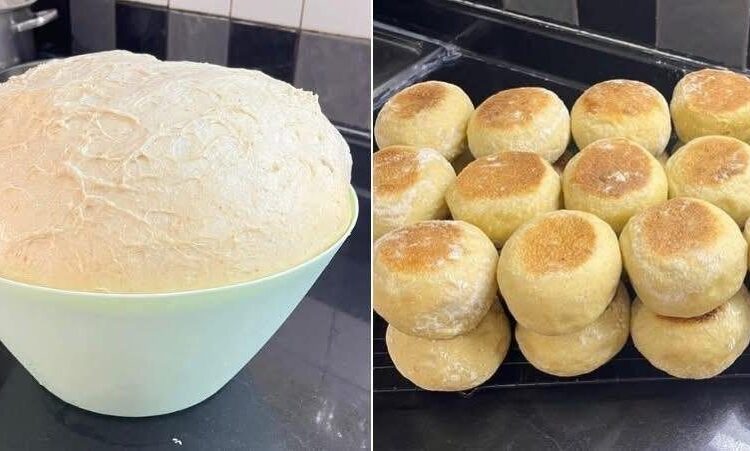
Soft, Golden, and Perfectly Toasted English Muffins Made from Scratch
If you are looking for a bakery-style bread recipe that is soft inside, lightly crisp outside, and filled with signature nooks and crannies, these Homemade English Muffins are the perfect choice. Freshly cooked on a skillet or griddle, English muffins are one of the most loved breakfast breads because they are versatile, comforting, and easy to enjoy with both sweet and savory toppings.
These classic homemade muffins are known for their chewy texture, golden crust, and airy interior that becomes perfectly crisp when toasted. Whether served with butter and jam, layered into breakfast sandwiches, or topped with eggs and avocado, English muffins are a timeless breakfast staple that never goes out of style.
Homemade English muffins have become increasingly popular because people enjoy:
- Fresh homemade bread recipes
- Easy breakfast baking
- Bakery-style breads
- Homemade breakfast sandwiches
- Soft and chewy muffins
- Yeast bread recipes
- Traditional griddle breads
One of the best things about this recipe is that it uses simple pantry ingredients while creating a professional-quality result.
These homemade English muffins are ideal for:
- Breakfast meal prep
- Weekend brunches
- Sandwich making
- Family breakfasts
- Toasted snacks
- Brunch gatherings
The combination of soft dough, golden exterior, and airy texture makes these muffins both satisfying and incredibly versatile.
Why Homemade English Muffins Are So Popular
English muffins have remained a favorite breakfast bread for generations because they offer the perfect balance between bread and toast.
Unlike regular sandwich bread, English muffins have:
- A chewy bite
- Crisp toasted edges
- Air pockets for butter and toppings
- Rich homemade flavor
Their signature texture makes them ideal for absorbing melted butter, jam, honey, or savory sandwich fillings.
Homemade versions are especially popular because they taste fresher and softer than packaged store-bought muffins.
What Makes English Muffins Unique?
English muffins differ from traditional baked bread rolls because they are usually cooked on a stovetop griddle or skillet before being finished with gentle heat.
This cooking method creates:
- Golden crust
- Soft center
- Signature texture
- Slightly crisp exterior
The inside develops tiny air pockets commonly called “nooks and crannies,” which are perfect for holding melted butter and spreads.
Unlike fluffy dinner rolls, English muffins have a slightly denser but tender texture that becomes deliciously crisp when toasted.
Essential Ingredients for Homemade English Muffins
One reason English muffins are so loved is because they use basic baking ingredients that are easy to find.
Traditional ingredients include:
- Flour
- Yeast
- Milk
- Butter
- Sugar
- Salt
- Water
Each ingredient contributes to the final texture and flavor.
Why Yeast Is Important
Yeast helps the dough rise and creates the airy texture inside the muffins.
As the dough rises, yeast develops:
- Lightness
- Flavor
- Soft structure
- Air pockets
Proper proofing time is important for achieving soft and chewy homemade muffins.
The Role of Milk in English Muffins
Milk contributes richness and tenderness to the dough.
Warm milk helps:
- Activate yeast
- Soften texture
- Improve flavor
- Create golden color
Whole milk is often preferred for richer flavor, although lower-fat milk can also work.
Why Butter Enhances Flavor
Butter gives homemade English muffins their rich bakery-style taste.
It also:
- Softens texture
- Adds moisture
- Improves browning
- Creates delicate flavor
Melted butter in the dough helps keep the muffins soft even after cooling.
Flour Choices for English Muffins
All-purpose flour is commonly used because it creates soft and chewy texture.
Bread flour can also be used for:
- Slightly chewier texture
- More structure
- Stronger rise
Some bakers even combine whole wheat flour with white flour for added flavor and fiber.
The Secret to Soft and Airy Muffins
The key to excellent English muffins lies in:
- Proper kneading
- Adequate rise time
- Gentle shaping
- Moderate cooking temperature
The dough should feel soft and slightly tacky but not overly sticky.
Overworking the dough may create dense muffins, while under-kneading can reduce structure.
Why Resting the Dough Matters
Allowing the dough to rise fully improves texture and flavor.
During rising time:
- Yeast produces air bubbles
- Dough becomes softer
- Flavor develops naturally
A slow rise often creates better texture and more developed flavor.
Cooking English Muffins on a Griddle
Unlike many breads baked entirely in the oven, English muffins are traditionally cooked on a skillet or griddle.
This method creates:
- Golden crust
- Even browning
- Crisp surface
- Soft interior
Low to medium heat is important because high heat may burn the outside before the center cooks fully.
Why Cornmeal Is Used
Cornmeal is commonly sprinkled on the cooking surface and dough.
It helps:
- Prevent sticking
- Add slight texture
- Create traditional appearance
The light crunch from cornmeal is one of the signature characteristics of authentic English muffins.
The Famous “Nooks and Crannies” Texture
One of the most loved features of English muffins is their airy interior.
The small holes inside are ideal for:
- Butter
- Honey
- Jam
- Peanut butter
- Melted cheese
Fork-splitting the muffins instead of slicing with a knife helps preserve these air pockets.
Sweet Topping Ideas
English muffins pair beautifully with sweet breakfast toppings.
Popular choices include:
- Butter
- Strawberry jam
- Honey
- Peanut butter
- Nutella
- Fresh berries
- Cream cheese
- Maple syrup
Toasting enhances the texture even more.
Savory Serving Ideas
Savory English muffin recipes are equally popular.
Try serving them with:
- Fried eggs
- Avocado
- Bacon
- Sausage patties
- Cheese
- Smoked salmon
- Turkey slices
Homemade breakfast sandwiches are especially delicious using freshly toasted English muffins.
Why English Muffins Are Great for Breakfast Sandwiches
Their sturdy texture makes English muffins ideal for sandwiches because they hold fillings without becoming soggy quickly.
They work perfectly for:
- Egg sandwiches
- Breakfast burgers
- Melted cheese sandwiches
- Mini pizza muffins
Their shape and texture make them practical and satisfying.
Flavor Variations You Can Try
One of the best things about homemade English muffins is their versatility.
Whole Wheat English Muffins
Use part whole wheat flour for nuttier flavor.
Cinnamon Raisin Muffins
Add cinnamon and raisins for sweet breakfast variation.
Cheese English Muffins
Mix shredded cheddar into the dough.
Herb English Muffins
Add rosemary or parsley for savory flavor.
Garlic Butter Muffins
Brush cooked muffins with garlic butter.
Multigrain Muffins
Add seeds and grains for texture.
Tips for Perfect Homemade English Muffins
Use Warm Liquids
Warm milk helps activate yeast properly.
Avoid Overheating the Pan
Low heat cooks the inside evenly.
Let Dough Rise Fully
Good rise creates airy texture.
Fork-Split Instead of Slicing
This preserves nooks and crannies.
Toast Before Serving
Toasting improves flavor and texture.
Common Mistakes to Avoid
Cooking Over High Heat
The outside may burn while the inside stays doughy.
Adding Too Much Flour
Excess flour creates dense muffins.
Underproofing the Dough
Insufficient rise reduces softness.
Skipping Rest Time
Resting improves texture significantly.
Why Homemade English Muffins Taste Better
Store-bought muffins are convenient but often lack freshness and texture.
Homemade versions offer:
- Softer texture
- Better flavor
- Fresher ingredients
- More customization
- Rich bakery aroma
Freshly cooked muffins also toast more beautifully.
Storage and Freezing Tips
Room Temperature
Store in airtight containers for 2–3 days.
Refrigerator
Can be refrigerated for slightly longer freshness.
Freezer
Freeze split muffins for up to 2 months.
Toast directly from frozen for convenience.
Why English Muffins Are Perfect for Meal Prep
These muffins freeze exceptionally well, making them ideal for breakfast meal prep.
Preparing a large batch allows quick breakfasts throughout the week.
Simply toast and add toppings when needed.
Nutritional Benefits of Homemade Muffins
Making English muffins at home allows better control over:
- Sodium levels
- Butter amount
- Flour quality
- Preservatives
You can also add whole grains or seeds for extra nutrition.
Creative Ways to Serve English Muffins
Mini Breakfast Pizzas
Top with sauce and cheese.
Eggs Benedict
Use toasted muffins as the base.
French Toast Muffins
Dip halves into egg mixture and cook.
Open-Faced Sandwiches
Top with avocado and eggs.
Dessert Muffins
Serve with fruit and whipped cream.
Why English Muffins Continue to Trend
Homemade bread recipes remain highly popular because people enjoy:
- Fresh baking
- Comfort food
- Simple ingredients
- Homemade breakfasts
English muffins especially appeal to home bakers because they feel rustic, nostalgic, and satisfying.
Perfect Occasions for Homemade English Muffins
These muffins are ideal for:
- Weekend breakfasts
- Holiday brunches
- Meal prep mornings
- Family gatherings
- Café-style breakfasts
Their versatility makes them suitable for both casual and elegant meals.
Final Thoughts
Homemade English Muffins are soft, chewy, golden, and packed with classic bakery-style flavor. With their airy interior, crisp toasted edges, and endless topping possibilities, they make the perfect breakfast bread for both sweet and savory meals.
Whether served with butter and jam or transformed into hearty breakfast sandwiches, these homemade muffins offer fresh flavor and comforting texture that store-bought versions simply cannot match.
If you enjoy homemade bread recipes that are simple, versatile, and incredibly satisfying, these easy English muffins deserve a permanent place in your kitchen.
Part 2: Simple Recipe Card
Homemade English Muffins
Ingredients
- 3 cups all-purpose flour
- 2¼ teaspoons active dry yeast
- 1 cup warm milk
- 2 tablespoons butter, melted
- 1 tablespoon sugar
- 1 teaspoon salt
- ¼ cup warm water
- Cornmeal for dusting
Optional Additions
- Whole wheat flour
- Honey
- Cinnamon and raisins
- Cheddar cheese
- Fresh herbs
Instructions
- In a bowl, combine warm water, sugar, and yeast. Let sit for 5–10 minutes until foamy.
- Add warm milk, melted butter, salt, and flour. Mix into a soft dough.
- Knead for 8–10 minutes until smooth.
- Cover and let dough rise until doubled in size.
- Roll dough to about ½-inch thickness and cut into rounds.
- Dust with cornmeal and let rest for 20–30 minutes.
- Heat a skillet or griddle over low-medium heat.
- Cook muffins for about 6–8 minutes per side until golden and cooked through.
- Cool slightly, split with a fork, toast, and serve.
Storage
Store in an airtight container for up to 3 days or freeze for longer storage.
