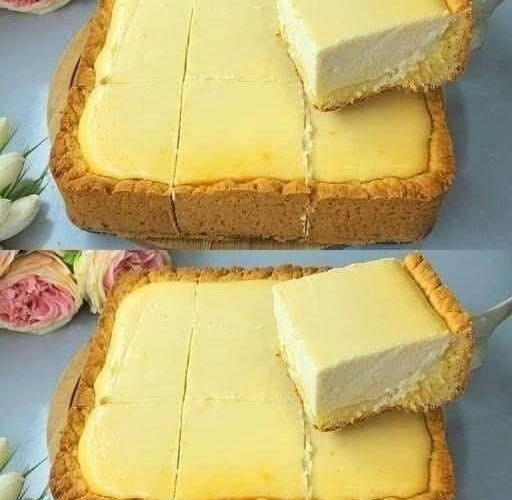
Torta della Nonna is a beloved Italian dessert that perfectly represents the beauty of traditional home baking. The name translates to “Grandmother’s Cake,” reflecting its comforting, homemade character and the timeless recipes often passed down through generations. Unlike complicated pastries that require advanced techniques, this dessert focuses on simple ingredients prepared carefully to create an elegant and unforgettable result.
This classic tart combines two essential elements: a tender, buttery pastry crust and a smooth vanilla pastry cream filling. The contrast between the crisp golden exterior and the soft, creamy center is what makes Torta della Nonna so special. Every bite delivers a balance of rich custard flavor, delicate lemon aroma, and a subtle nuttiness from the toasted pine nuts scattered on top.
The dessert is traditionally finished with a generous layer of powdered sugar, giving it a simple yet beautiful appearance. Its rustic presentation is part of its charm, making it equally suitable for a family gathering, holiday celebration, afternoon coffee, or a relaxed weekend dessert.
The Story Behind Torta della Nonna
Torta della Nonna is deeply connected to Italian culinary traditions, especially the idea that the best desserts often come from simple, carefully prepared ingredients. Rather than relying on elaborate decorations or modern techniques, this tart celebrates classic pastry skills.
The recipe is believed to have originated in Tuscany, where it became popular for its combination of familiar flavors and comforting textures. Over time, it spread throughout Italy and became a favorite in bakeries, restaurants, and family kitchens.
The appeal of this dessert comes from its balance. The pastry is rich but not overwhelming, while the custard provides a creamy sweetness that feels light and refreshing. The pine nuts add a gentle crunch and create the traditional appearance that makes the tart instantly recognizable.
Understanding the Main Ingredients
Whole Milk
Whole milk is preferred because it creates a richer and smoother pastry cream. The natural fat content helps produce a creamy texture that feels luxurious. While lower-fat milk can work, the filling may become slightly lighter and less silky.
Egg Yolks
Egg yolks are essential for creating the rich texture and golden color of the custard. They help thicken the filling while adding a smooth mouthfeel. In the pastry dough, egg yolks also contribute tenderness and richness.
Vanilla
Vanilla gives the pastry cream its classic sweet aroma. Since the filling contains only a few ingredients, using good-quality vanilla creates a noticeable improvement in flavor.
Butter
Cold butter is the foundation of the pastry crust. When incorporated properly, it creates a tender and delicate texture. Keeping the butter chilled before baking helps the dough maintain its structure.
Lemon Zest
Fresh lemon zest adds a bright citrus note that balances the richness of the butter and custard. It provides fragrance without overpowering the vanilla filling.
Pine Nuts
Pine nuts are the traditional topping for Torta della Nonna. Their mild, slightly sweet flavor complements the creamy filling and buttery crust. They also add a pleasant texture contrast after baking.
Preparing the Pastry Cream Successfully
The pastry cream is the most important component of this dessert, and careful preparation ensures a smooth result.
The milk should be heated gently with vanilla until warm. It should not boil aggressively because excessive heat can affect the final texture.
The egg yolks and sugar need to be whisked until smooth before adding the flour. Warm milk is then incorporated slowly while stirring continuously. This gradual process prevents lumps and helps create a creamy custard.
Once returned to the saucepan, the mixture must be cooked while stirring constantly until it thickens. Proper cooking allows the flour to fully activate and gives the pastry cream a stable consistency.
After cooking, covering the surface directly prevents a skin from forming while the custard cools.
Creating the Perfect Pastry Dough
The pastry dough requires gentle handling. Unlike bread dough, it should not be kneaded extensively because too much mixing develops gluten and can create a tough crust.
The flour, baking powder, salt, and lemon zest are combined before adding cold butter. The butter is mixed until the texture resembles crumbs, which creates the foundation for a tender pastry.
After adding sugar, egg, and egg yolk, the dough should be mixed only until it comes together. Once shaped and chilled, it becomes easier to roll and holds its shape better during baking.
Tips for the Best Torta della Nonna
- Always keep the pastry dough cold while working.
- Avoid adding too much flour during rolling.
- Allow the pastry cream to cool completely before assembly.
- Stir the custard continuously while cooking.
- Use fresh lemon zest for the best aroma.
- Do not overbake the tart, as the pastry should remain tender.
- Soak pine nuts briefly before baking to reduce browning.
- Chill the finished tart before slicing for cleaner portions.
Serving and Storage Ideas
Torta della Nonna is traditionally served with a simple dusting of powdered sugar. Its delicate flavors pair beautifully with coffee, espresso, or tea.
For a more special presentation, serve slices with fresh berries, fruit compote, or a small spoonful of mascarpone cream. The dessert is elegant enough for celebrations but simple enough for everyday enjoyment.
Once baked, the tart should be stored covered in the refrigerator. It maintains its best quality for several days, with the custard remaining smooth and flavorful.
This classic Italian dessert proves that extraordinary results do not require complicated methods. With a few basic ingredients, careful preparation, and attention to texture, Torta della Nonna becomes a timeless dessert that brings together tradition, comfort, and unforgettable flavor.
Recipe Details
Preparation Time: 30 minutes
Chilling Time: 1 hour
Cooking Time: 40 minutes
Total Time: Approximately 2 hours 10 minutes
Servings: 12 slices
Difficulty Level: Intermediate
Equipment Needed
- 10-inch (25 cm) tart pan with removable bottom
- Medium saucepan
- Mixing bowls
- Whisk
- Rolling pin
- Parchment paper
- Food processor (optional)
- Spatula
- Cooling rack
Ingredients
For the Vanilla Pastry Cream Filling
- 2½ cups (590 ml) whole milk
- 2 teaspoons vanilla extract
- 4 large egg yolks
- ¾ cup (150 g) granulated sugar
- ¼ cup (30 g) all-purpose flour
For the Pastry Crust
- 2½ cups (300 g) all-purpose flour
- 1 teaspoon fresh lemon zest
- ¾ teaspoon baking powder
- Small pinch of salt
- 6 ounces (170 g) cold unsalted butter, cut into small pieces
- ⅔ cup (130 g) granulated sugar
- 1 whole egg
- 1 egg yolk
For Topping
- 1 tablespoon pine nuts
- Powdered sugar, for dusting
Instructions
Step 1: Prepare the Pastry Cream
Heat the milk and vanilla extract in a saucepan over medium-low heat until the milk becomes hot but does not boil.
In a separate bowl, whisk the egg yolks and sugar together until the mixture becomes smooth and slightly lighter in color.
Add the flour and continue whisking until no lumps remain.
Slowly pour the warm milk into the egg mixture while whisking constantly. This prevents the eggs from cooking too quickly and keeps the custard smooth.
Return the mixture to the saucepan and cook over medium heat, stirring continuously.
When the pastry cream thickens and begins to gently bubble, continue cooking for about one minute.
Transfer the custard into a clean bowl. Cover the surface directly with plastic wrap to prevent a skin from forming.
Allow the pastry cream to cool completely before assembling the tart.
Step 2: Make the Pastry Dough
Combine flour, lemon zest, baking powder, and salt in a large bowl.
Add the cold butter and rub it into the flour mixture until it resembles fine crumbs.
Mix in sugar, egg, and egg yolk until a soft dough forms.
Avoid overmixing because gentle handling creates a more tender crust.
Shape the dough into a flat disc, wrap it, and refrigerate for about one hour.
Step 3: Assemble the Tart
Soak the pine nuts in water for about 5 minutes to prevent excessive browning during baking.
Preheat the oven to 350°F (180°C).
Grease the tart pan lightly.
Divide the chilled dough into two portions, keeping one portion slightly larger for the base.
Roll out the larger portion and carefully place it into the tart pan. Press gently into the edges.
Spread the cooled pastry cream evenly over the crust.
Roll out the remaining dough and place it over the filling.
Seal the edges gently and remove excess pastry.
Make a small opening in the center of the top crust to allow steam to escape.
Drain the pine nuts and sprinkle them over the surface.
Step 4: Bake the Tart
Bake the tart for approximately 40 minutes, or until the crust becomes lightly golden.
Remove from the oven and allow it to cool completely before removing it from the pan.
Dust generously with powdered sugar before serving.
Serve chilled or at room temperature.
Helpful Recipe Notes
- Keep butter and dough cold for the best pastry texture.
- Do not overwork the dough because it can become firm.
- Add warm milk slowly to the egg mixture to avoid curdling.
- Cook the pastry cream fully so it sets properly after cooling.
- Chill the tart before slicing for cleaner pieces.
- Cover and refrigerate leftovers for up to 4–5 days.
- Freezing is not recommended because the custard texture may change.
Serving Suggestions
Enjoy Torta della Nonna with:
- Fresh espresso or coffee
- Fresh berries
- Berry compote
- Whipped cream
- Mascarpone cream
The simple powdered sugar topping is traditional, but additional accompaniments can make it suitable for special occasions.
Approximate Nutrition Per Serving
Calories: 323 kcal
Carbohydrates: 42 g
Protein: 6 g
Fat: 15 g
Saturated Fat: 8 g
Cholesterol: 144 mg
Sodium: 29 mg
Potassium: 130 mg
Fiber: 1 g
Sugar: 24 g
Calcium: 85 mg
Iron: 1 mg
Nutritional values are estimates and may vary depending on ingredient brands and portion sizes.
