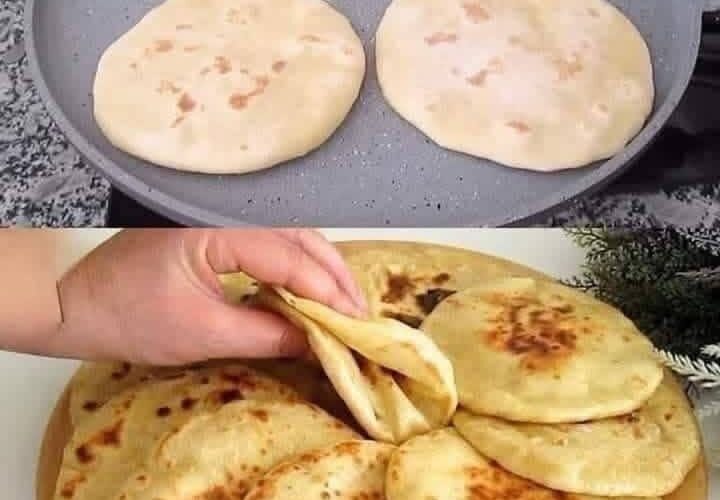
Fresh homemade bread has a way of making any meal feel more comforting, and this Soft Skillet Flatbread is one of the easiest ways to enjoy warm bread at home. Made with simple pantry ingredients and cooked entirely in a skillet, this recipe delivers soft, fluffy flatbreads with a lightly golden exterior and a tender interior—all without using yeast or turning on the oven.
Unlike traditional bread recipes that require kneading, rising, and baking, this flatbread comes together in less than 30 minutes. Baking powder provides instant lift, while yogurt keeps the dough moist and tender. The result is a versatile bread that pairs beautifully with soups, curries, grilled meats, salads, breakfast spreads, and sandwiches.
Whether you’re looking for a quick dinner side, homemade wraps for lunch, or fresh bread when you run out of store-bought loaves, this skillet flatbread is a dependable recipe you’ll want to make again and again.
Why You’ll Love This Recipe
This flatbread recipe combines convenience with homemade flavor.
There is no yeast to activate, no waiting for dough to rise, and no need for an oven. Everything mixes together in one bowl and cooks in a skillet within minutes.
It’s ideal for beginner bakers because the dough is forgiving and easy to work with. Even if you’ve never made bread before, you’ll achieve soft, delicious flatbreads with very little effort.
This recipe is also budget-friendly, using inexpensive ingredients that are often already in your pantry and refrigerator.
What Makes This Flatbread So Soft?
The secret to the texture is the combination of moisture, fat, and a quick-acting leavening agent.
Unlike yeast breads that develop their texture through fermentation, this dough relies on baking powder for lift and yogurt for tenderness.
As the flatbread cooks, small air pockets form inside the dough, creating a light, fluffy interior while the outside develops beautiful golden brown spots.
The yogurt also helps keep the bread soft even after it cools, making leftovers just as enjoyable.
The Benefits of Yeast-Free Bread
There are many reasons to keep a yeast-free bread recipe in your collection.
Because baking powder works immediately, there’s no need to wait for the dough to rise.
This means you can prepare fresh bread whenever you need it, even on busy weeknights.
Other advantages include:
- Faster preparation
- Fewer ingredients
- Beginner-friendly process
- No proofing required
- Great for small kitchens
- Perfect when you don’t have an oven
- Reliable results every time
Understanding the Ingredients
Every ingredient contributes to the finished texture and flavor.
All-Purpose Flour
Flour provides the structure of the dough.
All-purpose flour creates flatbreads that are soft yet sturdy enough to fold for wraps and sandwiches.
If desired, you can substitute part of the flour with whole wheat flour for additional fiber and a slightly nuttier flavor.
Baking Powder
Baking powder replaces yeast in this recipe.
As the dough cooks, it releases tiny bubbles that make the bread lighter and fluffier.
Always use fresh baking powder for the best rise.
Salt
Salt enhances every other ingredient while balancing the richness of the yogurt and butter.
Even a small amount makes a noticeable difference in the finished flavor.
Yogurt or Sour Cream
Greek yogurt, plain yogurt, or sour cream all work well.
These ingredients add moisture, richness, and a slight tang while helping create an incredibly soft texture.
The natural acidity also reacts with the baking powder for extra lift.
Milk
Milk hydrates the flour and creates a smooth dough that’s easy to shape.
Whole milk creates a richer bread, while low-fat or plant-based milk also works well.
Olive Oil or Melted Butter
Adding fat improves both flavor and texture.
Olive oil creates a tender crumb with subtle richness, while butter produces an even softer texture and delicious buttery flavor.
Brushing warm flatbreads with melted butter after cooking keeps them especially soft.
Mixing the Dough
Making the dough takes only a few minutes.
Begin by combining the flour, baking powder, and salt in a large bowl.
Mix the dry ingredients thoroughly to distribute the baking powder evenly.
Next, add the yogurt, milk, and oil.
Stir until a soft dough forms.
Avoid overmixing. Once the ingredients come together, stop mixing to keep the bread tender.
The dough should feel soft, smooth, and only slightly tacky.
If it’s too sticky, add a small amount of flour.
If it’s too dry, add a teaspoon of milk at a time until the consistency improves.
Why Resting the Dough Matters
Although this recipe doesn’t require rising, allowing the dough to rest for about five minutes makes it easier to handle.
During this short rest:
- The flour fully hydrates.
- Gluten relaxes.
- Rolling becomes easier.
- The flatbread cooks more evenly.
This simple step improves both texture and appearance.
Rolling the Flatbreads
Divide the dough into equal portions for evenly sized flatbreads.
Roll each piece into a smooth ball before flattening it.
Use a rolling pin or gently press the dough with your hands.
Aim for circles about ¼ inch thick.
Uniform thickness helps every flatbread cook evenly.
Dust the work surface lightly with flour if needed.
Cooking in a Skillet
Heat a large skillet over medium heat.
Lightly grease the pan with a small amount of butter or oil.
Once the skillet is hot, place one dough round into the pan.
Cook for approximately 2–3 minutes.
As it cooks, bubbles may begin to form on the surface while golden brown spots appear underneath.
Flip the bread and cook the second side for another 2–3 minutes until fully cooked.
Repeat with the remaining dough.
Stack the finished flatbreads under a clean kitchen towel to keep them warm and soft.
Serving Suggestions
These soft flatbreads are incredibly versatile.
Serve them alongside:
- Vegetable soup
- Chicken soup
- Lentil soup
- Beef stew
- Curry dishes
- Chili
- Roasted vegetables
They’re also excellent for:
- Chicken wraps
- Beef gyros
- Falafel
- Shawarma
- Breakfast sandwiches
- Quesadillas
- Pizza bases
- Garlic bread
Simply brush with garlic butter and herbs for an easy side dish.
Flavor Variations
This simple dough can be customized in countless ways.
Savory Ideas
Mix into the dough:
- Garlic powder
- Onion powder
- Italian seasoning
- Chopped parsley
- Dill
- Rosemary
- Oregano
- Grated Parmesan
- Cheddar cheese
- Cracked black pepper
Sweet Variations
Add:
- Cinnamon
- Honey
- Vanilla extract
- Brown sugar
- Nutmeg
- Cardamom
Sweet flatbreads pair beautifully with fruit, yogurt, or nut butter.
Helpful Tips
- Measure flour accurately.
- Don’t overwork the dough.
- Cook over medium heat.
- Keep finished flatbreads covered with a towel.
- Brush with butter immediately after cooking.
- Roll evenly for consistent cooking.
- Add flour only as needed.
- Preheat the skillet before adding the dough.
Storage and Reheating
Allow the flatbreads to cool completely before storing.
Place them in an airtight container or zip-top bag.
Refrigerator
Store for up to 3 days.
Freezer
Freeze for up to 2 months with parchment paper between each flatbread.
Reheating
Skillet: Heat for about 1 minute per side.
Microwave: Warm for 15–20 seconds.
Oven: Wrap in foil and heat at 300°F (150°C) for about 5–7 minutes.
Lightly brushing with butter before reheating helps restore softness.
Frequently Asked Questions
Can I make the dough ahead of time?
Yes. Cover the dough tightly and refrigerate for up to 24 hours before cooking.
Can I use whole wheat flour?
Yes. Replace up to half of the all-purpose flour with whole wheat flour for a heartier texture.
Can I make these dairy-free?
Yes. Use dairy-free yogurt, plant-based milk, and olive oil instead of butter.
Why are my flatbreads tough?
Overmixing the dough or adding too much flour can make the bread dense. Mix just until combined and keep the dough soft.
Can I use this dough for wraps?
Absolutely. Roll the dough slightly thinner for flexible wraps that fold easily.
Final Thoughts
Soft Skillet Flatbread is proof that delicious homemade bread doesn’t have to be complicated. With no yeast, no oven, and only a handful of everyday ingredients, you can enjoy warm, fluffy flatbreads in under 30 minutes.
Perfect for wraps, sandwiches, soups, breakfasts, or simply served with butter, this versatile recipe is one you’ll return to again and again. It’s beginner-friendly, budget-conscious, and endlessly customizable, making it a reliable staple for any home kitchen.
Soft Skillet Flatbread
Description
This Soft Skillet Flatbread is a quick, yeast-free homemade bread cooked entirely in a skillet. Made with flour, yogurt, baking powder, milk, and olive oil, it produces soft, fluffy flatbreads with a lightly golden crust. Perfect for wraps, sandwiches, soups, curries, or enjoying warm with butter and honey.
Ingredients
- 2 cups (250 g) all-purpose flour
- 2 teaspoons baking powder
- ½ teaspoon salt
- ¾ cup (180 g) plain yogurt or sour cream
- ¼ cup (60 ml) milk
- 2 tablespoons olive oil or melted butter
Optional for Serving
- Melted butter
- Fresh herbs
- Honey
- Garlic butter
Instructions
- In a large mixing bowl, whisk together the flour, baking powder, and salt.
- Add the yogurt, milk, and olive oil.
- Mix until a soft dough forms. If needed, add a little more flour or milk to achieve a soft, workable consistency.
- Cover the dough and let it rest for 5 minutes.
- Divide the dough into 6 equal portions.
- Roll each portion into a ball, then flatten into a round about ¼ inch thick.
- Heat a lightly greased skillet over medium heat.
- Place one flatbread into the hot skillet.
- Cook for 2–3 minutes until bubbles form and golden spots appear.
- Flip and cook the second side for another 2–3 minutes until fully cooked.
- Transfer to a plate and brush with melted butter if desired.
- Repeat with the remaining dough.
- Serve warm.
Recipe Notes
- Don’t overmix the dough.
- Resting the dough makes rolling easier.
- Cook over medium heat to avoid burning.
- Keep cooked flatbreads covered with a towel to maintain softness.
- Brush with butter immediately after cooking for extra flavor.
Nutrition Information (Per Flatbread)
- Calories: 185 kcal
- Protein: 5 g
- Carbohydrates: 30 g
- Dietary Fiber: 1 g
- Total Sugars: 2 g
- Total Fat: 5 g
- Saturated Fat: 1.5 g
- Cholesterol: 4 mg
- Sodium: 250 mg
- Calcium: 95 mg
- Iron: 2 mg
Nutrition values are approximate and may vary depending on the ingredients used.
Duration
- Prep Time: 10 minutes
- Rest Time: 5 minutes
- Cook Time: 10–12 minutes
- Total Time: 25–27 minutes
- Servings: 6 flatbreads
- Difficulty: Easy
- Course: Side Dish, Bread
- Cuisine: International
- Cooking Method: Skillet/Stovetop
- Diet: Vegetarian
