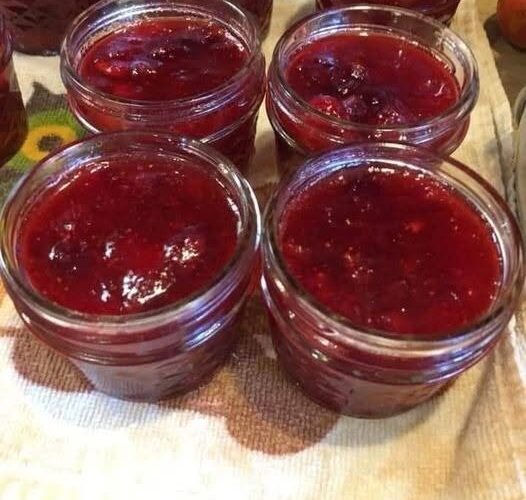
Homemade jam is one of the simplest and most rewarding ways to preserve the natural goodness of fresh fruit. A jar of homemade jam captures the sweetness, color, and aroma of seasonal produce and allows you to enjoy those flavors throughout the year. Unlike many store-bought versions, homemade jam gives you complete control over the ingredients, sweetness level, and texture.
Making jam at home does not require complicated equipment or advanced cooking skills. With fresh fruit, sugar, lemon juice, and a little patience, you can create a delicious spread that tastes bright, fruity, and naturally satisfying.
The process of turning fresh fruit into jam is based on a few simple principles. Heat softens the fruit, sugar draws out moisture and enhances flavor, while lemon juice helps balance sweetness and supports the natural setting process. When these ingredients work together, they create a thick, spreadable preserve with a beautiful homemade character.
Whether you choose strawberries, blueberries, raspberries, peaches, apricots, plums, or a combination of fruits, this recipe provides a reliable method for creating delicious jam in your own kitchen.
Why Homemade Jam Is Worth Making
There are many reasons people continue to make homemade jam despite the convenience of store-bought options.
Better Fresh Fruit Flavor
Freshly prepared jam has a vibrant fruit flavor that is often more noticeable than commercial varieties. Because you choose the fruit yourself, you can use produce at its peak ripeness when natural sweetness and aroma are strongest.
Control Over Ingredients
Making jam at home allows you to adjust the sweetness according to your personal preference. Some fruits are naturally very sweet and require less sugar, while tart fruits may benefit from a slightly larger amount.
You can also avoid unnecessary additives and create a simple recipe using ingredients you trust.
A Great Way to Preserve Seasonal Fruit
Many fruits are only available during certain times of the year. Homemade jam provides a practical way to preserve those seasonal flavors. When fresh berries or stone fruits are no longer available, a jar of homemade jam can bring back the taste of summer.
Versatile and Useful
Jam is much more than a breakfast spread. It can be used in countless ways:
- Spread on toast, biscuits, and muffins
- Added to yogurt or oatmeal
- Used as a filling for cakes and pastries
- Served with pancakes and waffles
- Mixed into desserts
- Used as a glaze for baked goods
A single batch can become a useful ingredient in many different recipes.
Choosing the Best Fruit for Jam
The quality of your jam depends heavily on the fruit you select.
Use Fresh, Ripe Fruit
The best fruit for jam is ripe, flavorful, and fragrant. Overly hard fruit may lack sweetness, while fruit that is too soft or damaged may affect the final quality.
Look for fruit that:
- Has a strong natural aroma
- Has good color
- Feels firm but ripe
- Does not contain mold or large damaged areas
Slightly underripe fruit can also be useful because it often contains more natural pectin, which helps the jam achieve a thicker texture.
Popular Fruit Choices
Strawberry Jam
Strawberries create a classic jam with bright color and familiar sweetness. Larger strawberries should be chopped into smaller pieces so they cook evenly.
Mixed Berry Jam
Combining strawberries, raspberries, blueberries, and blackberries creates a complex flavor with sweet and tart notes.
Peach or Apricot Jam
Stone fruits produce a smooth and fragrant jam with a naturally golden color. Their soft texture makes them especially suitable for spreading.
Plum Jam
Plums create a deeper-colored jam with a pleasant balance of sweetness and acidity.
Understanding the Role of Each Ingredient
Every ingredient in jam has an important purpose.
Fruit
Fruit provides the main flavor, natural sugars, color, and texture. The fruit you choose determines the personality of your jam.
Sugar
Sugar does more than make jam sweet. It helps preserve the fruit, draws out moisture, and contributes to the final texture.
The amount of sugar can vary depending on:
- Fruit sweetness
- Personal preference
- Desired storage time
Lemon Juice
Lemon juice adds brightness and balances sweetness. It also helps activate natural pectin found in many fruits, improving the setting ability of the jam.
Water
Water is optional and is mainly useful for fruits that contain less natural moisture. Juicy fruits usually do not need additional liquid.
The Importance of Preparing Fruit Properly
Proper preparation creates better texture and flavor.
Before cooking:
- Wash the fruit thoroughly.
- Remove stems, leaves, seeds, pits, and damaged sections.
- Cut larger fruits into smaller pieces.
- Keep the pieces similar in size for even cooking.
Preparing the fruit carefully ensures that every spoonful of jam has a balanced texture.
The Maceration Process: A Simple Step That Improves Flavor
One of the best techniques for homemade jam is allowing the fruit and sugar to rest together before cooking.
During this stage, sugar slowly pulls moisture from the fruit. The fruit becomes softer, shinier, and surrounded by a natural syrup.
Benefits of maceration include:
- Better flavor development
- More even cooking
- Improved texture
- Reduced cooking time
Although this step requires patience, it creates a noticeable improvement in the final jam.
Cooking the Jam Correctly
Cooking jam is about finding the right balance between reducing liquid and preserving fresh fruit flavor.
The mixture should cook long enough for:
- Excess water to evaporate
- Flavors to concentrate
- Natural pectin to activate
- Texture to become thick and spreadable
However, overcooking can cause the fruit flavor to become less fresh and may darken the color.
A gentle but steady cooking process usually produces the best results.
How to Know When Jam Is Ready
Determining the correct consistency is one of the most important steps.
Cold Plate Method
This is one of the easiest testing methods:
- Place a small plate in the freezer before cooking.
- Add a small spoonful of hot jam to the cold plate.
- Wait about 30 seconds.
- Push the jam gently with your finger.
If the surface wrinkles and the jam holds its shape, it is ready.
If it spreads quickly, continue cooking and test again.
Tips for Perfect Homemade Jam
Cook in Smaller Batches
Smaller quantities are easier to control and usually produce better texture.
Stir Regularly
Jam becomes thicker as it cooks, which increases the chance of sticking. Regular stirring helps prevent burning.
Remove Excess Foam
Foam may appear during cooking. Removing it creates a cleaner-looking finished product.
Avoid Excessive Cooking
Cooking too long can reduce the fresh fruit flavor and make the jam overly thick.
Use Clean Jars
Properly cleaned jars help maintain quality and improve storage life.
Creative Flavor Ideas
Once you understand the basic method, you can create many variations.
Strawberry Vanilla Jam
Add a small amount of vanilla extract during the final stage of cooking for a smooth dessert-like flavor.
Spiced Apple Jam
Add cinnamon, ginger, and nutmeg for a warm seasonal variation.
Berry Citrus Jam
Add orange zest or lemon zest to create a brighter flavor.
Peach Ginger Jam
Fresh ginger pairs beautifully with sweet peaches.
Serving Suggestions
Homemade jam can be enjoyed in many ways:
- Spread over warm bread
- Swirled into Greek yogurt
- Added to cheesecake
- Served with pancakes
- Used as pastry filling
- Paired with peanut butter sandwiches
- Added to oatmeal
- Used as a dessert topping
Its versatility makes it one of the most useful homemade preserves.
Storage and Food Safety
Proper storage helps maintain quality.
Unopened sealed jars should be stored in a cool, dark place away from direct sunlight.
After opening:
- Refrigerate the jam
- Use a clean spoon each time
- Keep the lid tightly closed
Homemade jam generally stays fresh for several weeks after opening when refrigerated.
Homemade Fruit Jam
Description
A simple homemade fruit jam made with fresh seasonal fruit, sugar, and lemon juice. This recipe creates a thick, flavorful spread with bright fruit flavor and a smooth texture. Perfect for breakfast, desserts, baking, and gifting.
Recipe Information
Category: Preserves / Breakfast Spread
Cuisine: International
Difficulty: Medium
Preparation Time: 30 minutes
Resting Time: 1–3 hours
Cooking Time: 30–45 minutes
Total Duration: Approximately 4 hours including resting
Servings: About 8–10 jars (depending on size)
Ingredients
Main Ingredients
- 2 kilograms fresh ripe fruit (strawberries, berries, peaches, apricots, plums, or mixed fruit)
- 1.5–2 kilograms granulated sugar
- 4 tablespoons fresh lemon juice
- 1 cup water (optional, only if fruit is not juicy)
Equipment Needed
- Large heavy-bottom cooking pot
- Wooden spoon
- Sharp knife
- Cutting board
- Measuring cups
- Clean glass jars with lids
- Ladle
- Small plate for testing consistency
Instructions
Step 1: Prepare the Fruit
Wash the fruit thoroughly under cool running water.
Remove:
- Stems
- Leaves
- Seeds
- Pits
- Damaged areas
Cut larger fruits into small pieces.
Place prepared fruit into a large cooking pot.
Step 2: Combine Fruit and Sugar
Add sugar to the fruit.
Mix well until the fruit is evenly coated.
Allow the mixture to rest for 1–3 hours.
The fruit will release juice and create a syrup-like mixture.
Step 3: Begin Cooking
Place the pot over medium heat.
Stir continuously until the sugar completely dissolves.
Add lemon juice and mix well.
Step 4: Boil the Jam
Increase the heat and bring the mixture to a rolling boil.
Stir frequently to prevent sticking.
Remove foam from the surface if needed.
Step 5: Thicken the Jam
Continue cooking for 20–45 minutes.
The jam should gradually become thicker and glossy.
Stir carefully as the mixture thickens.
Step 6: Test Consistency
Use the cold plate method to check if the jam is ready.
The finished jam should:
- Hold its shape
- Spread easily
- Have a thick but soft texture
Step 7: Fill the Jars
Wash and sterilize jars before filling.
Carefully transfer hot jam into warm jars.
Leave a small space at the top.
Clean the jar edges and secure lids.
Step 8: Cool and Store
Allow jars to cool completely.
Check that lids are properly sealed.
Store sealed jars in a cool, dark location.
Refrigerate after opening.
Nutrition Information (Approximate Per Serving)
Serving Size: 1 tablespoon
- Calories: 50 kcal
- Carbohydrates: 13 g
- Sugar: 12 g
- Protein: 0 g
- Fat: 0 g
- Fiber: 1 g
- Sodium: 2 mg
- Vitamin C: Varies depending on fruit used
Nutritional values may change depending on the type of fruit and amount of sugar used.
Recipe Notes
- Use the freshest fruit available for the best flavor.
- Adjust sugar according to fruit sweetness.
- Lemon juice improves flavor and helps the jam set.
- Avoid cooking too quickly over extremely high heat.
- Smaller batches usually produce better texture.
- Always use clean jars for storage.
Final Result
A successful homemade fruit jam should have a rich fruit aroma, beautiful natural color, balanced sweetness, and a smooth spreadable consistency. With fresh ingredients and careful cooking, this simple recipe creates a delicious preserve that can be enjoyed for months and shared with family and friends.
