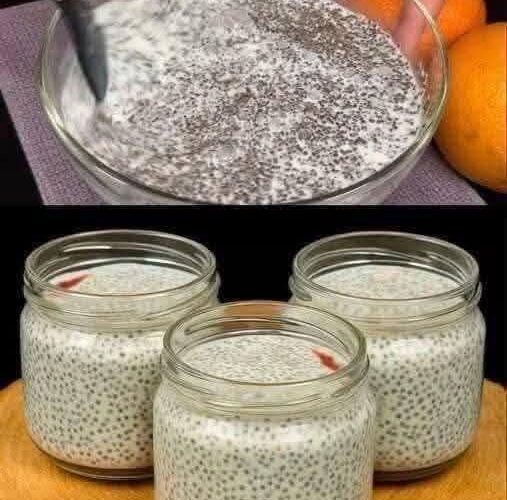
Chia seed pudding is a simple yet satisfying recipe that has become a favorite for breakfast lovers, meal preppers, and anyone looking for a nutritious snack. Despite requiring only a handful of ingredients, this dish transforms into a rich and creamy pudding after a few hours of chilling. The magic lies in the tiny chia seeds, which naturally absorb liquid and create a smooth, gel-like texture without any cooking.
One of the reasons this recipe has gained so much popularity is its versatility. It can be enjoyed plain, lightly sweetened with natural sweeteners, or topped with colorful fruits, crunchy nuts, granola, and seeds for additional flavor and texture. Whether you’re preparing breakfast for a busy weekday, packing a healthy snack, or looking for a wholesome dessert, chia seed pudding is an easy solution.
Unlike many breakfast recipes that involve baking, frying, or blending, this pudding requires very little effort. Simply combine the ingredients, stir or shake them together, refrigerate, and let time do the rest. The result is a creamy pudding that tastes indulgent while remaining light and nourishing.
What Makes Chia Seed Pudding So Popular?
- Modern lifestyles often leave little time for preparing elaborate meals. Chia seed pudding fits perfectly into busy schedules because it can be prepared in advance and stored in the refrigerator for several days. Making multiple servings at once ensures that breakfast or snacks are always ready whenever needed.
- Another reason people enjoy this recipe is its flexibility. The base recipe serves as a blank canvas that can easily be customized with seasonal fruits, spices, extracts, or different types of milk. Every serving can taste slightly different without changing the preparation method.
- The pudding also appeals to many dietary preferences. It is naturally gluten-free and can easily be made vegan by using plant-based milk and natural sweeteners. This makes it suitable for households with varying dietary needs.
Understanding Chia Seeds
- Chia seeds are tiny edible seeds harvested from the Salvia hispanica plant, which belongs to the mint family. Although small in size, these seeds have a remarkable ability to absorb many times their weight in liquid.
- When immersed in milk or water, each seed develops a delicate gel coating. As millions of seeds expand together, they create the thick consistency that gives chia pudding its signature texture.
- Both black and white chia seeds work equally well. Their nutritional value and ability to absorb liquid are nearly identical, making either variety suitable for this recipe.
Why Almond Milk Works Well
- Unsweetened almond milk provides a light, creamy base that complements the mild flavor of chia seeds. Since almond milk has a subtle nutty taste, it blends well with ingredients like vanilla, cinnamon, cocoa, and fresh fruit.
- However, almond milk is only one option. Depending on personal preference, you can substitute:
- Oat milk for extra creaminess
- Soy milk for additional protein
- Coconut milk for a richer tropical flavor
- Cashew milk for a silky texture
- Dairy milk for a traditional version
- Each type of milk slightly changes the consistency and flavor, making it easy to personalize the recipe.
Naturally Sweetening Your Pudding
- One of the advantages of homemade chia pudding is complete control over sweetness.
- Popular natural sweeteners include:
- Maple syrup
- Honey (not vegan)
- Agave nectar
- Date syrup
- Mashed ripe banana
- Blended dates
- Adding only a small amount allows the natural flavors of the ingredients to shine while keeping the pudding pleasantly balanced.
Flavor Boosters
- Although chia pudding is delicious on its own, a few simple ingredients can make it even more enjoyable.
- Common additions include:
- Pure vanilla extract
- Ground cinnamon
- Nutmeg
- Pumpkin pie spice
- Unsweetened cocoa powder
- Espresso powder
- Matcha powder
- Lemon or orange zest
- These ingredients create endless flavor combinations without requiring additional preparation.
Health Benefits of Chia Seed Pudding
- Besides being easy to prepare, chia pudding provides a variety of nutrients.
- Rich in Fiber
- Chia seeds contain a generous amount of dietary fiber, which helps support healthy digestion and promotes fullness after meals.
- Plant-Based Protein
- Although not a high-protein food on its own, chia seeds contribute plant protein that pairs well with yogurt, nuts, or protein-rich milk alternatives.
- Healthy Fats
- Chia seeds naturally contain omega-3 fatty acids, making them a valuable addition to a balanced diet.
- Vitamins and Minerals
- These tiny seeds also provide calcium, phosphorus, magnesium, manganese, and iron, all of which play important roles in supporting overall health.
Why Meal Preppers Love This Recipe
- Meal preparation saves valuable time during busy weeks, and chia pudding is one of the easiest recipes to include in a meal-prep routine.
- Instead of preparing breakfast every morning, several jars can be assembled in just a few minutes. After chilling overnight, they become ready-to-eat meals.
- Preparing multiple flavors at once also keeps breakfast interesting. For example:
- Berry on Monday
- Mango on Tuesday
- Chocolate on Wednesday
- Apple cinnamon on Thursday
- Peanut butter banana on Friday
- This variety prevents breakfast from becoming repetitive.
Delicious Topping Ideas
- Toppings completely transform the eating experience.
- Fresh fruit adds natural sweetness and vibrant color.
- Popular choices include:
- Strawberries
- Blueberries
- Blackberries
- Raspberries
- Mango
- Kiwi
- Pineapple
- Banana
- Peaches
- Cherries
- Crunchy toppings create contrast against the creamy pudding.
- Great options include:
- Granola
- Toasted almonds
- Pecans
- Walnuts
- Pistachios
- Pumpkin seeds
- Sunflower seeds
- Coconut flakes
- For extra indulgence, consider:
- Dark chocolate shavings
- Mini chocolate chips
- Nut butter drizzle
- Fruit compote
- Yogurt swirl
Common Mistakes to Avoid
- Although the recipe is simple, a few small mistakes can affect the final texture.
- Not Mixing Thoroughly
- If chia seeds settle at the bottom immediately after mixing, they may form large clumps instead of distributing evenly.
- Skipping the Second Stir
- Many experienced cooks recommend stirring the pudding after the first hour of chilling. This redistributes the seeds and produces a smoother consistency.
- Incorrect Liquid Ratio
- Too much liquid creates a runny pudding, while too little produces an overly thick mixture. Following a balanced ratio helps achieve the ideal texture.
- Rushing the Process
- While chia seeds begin absorbing liquid within minutes, they require several hours to fully hydrate. Overnight refrigeration usually gives the best results.
Creative Flavor Variations
- One recipe can become dozens of unique breakfasts.
- Some popular ideas include:
- Chocolate Chia Pudding
Mix cocoa powder and vanilla into the base before chilling. - Tropical Version
Top with mango, pineapple, toasted coconut, and macadamia nuts. - Berry Delight
Layer the pudding with mixed berries and yogurt. - Apple Cinnamon
Add diced apples, cinnamon, and chopped walnuts. - Mocha
Blend espresso powder with cocoa for a coffee-inspired breakfast. - Peanut Butter Banana
Stir peanut butter into the mixture and top with sliced bananas. - Pumpkin Spice
Mix pumpkin puree with pumpkin spice for an autumn-inspired variation. - Lemon Vanilla
Add fresh lemon zest and vanilla extract for a bright, refreshing flavor.
Recipe Information
- Recipe Name: Creamy Chia Seed Pudding
- Course: Breakfast, Snack, Dessert
- Cuisine: International
- Difficulty Level: Easy
- Preparation Time: 5 minutes
- Initial Rest: 30–60 minutes
- Chilling Time: 6–8 hours (or overnight)
- Total Time: Approximately 8 hours 5 minutes
- Servings: 1
- Calories: Approximately 230–260 per serving (without toppings)
Ingredients
- 2 tablespoons chia seeds
- ½ cup unsweetened almond milk
- ½ teaspoon pure maple syrup
- ⅛ teaspoon ground cinnamon
- ¼ teaspoon vanilla extract (optional)
- Small pinch of sea salt (optional)
Optional Toppings
- Fresh strawberries
- Blueberries
- Raspberries
- Blackberries
- Mango cubes
- Banana slices
- Kiwi
- Peach slices
- Pomegranate seeds
- Granola
- Toasted coconut flakes
- Chopped almonds
- Walnuts
- Pecans
- Pistachios
- Pumpkin seeds
- Sunflower seeds
- Peanut butter
- Almond butter
- Cashew butter
- Dark chocolate shavings
- Mini chocolate chips
- Extra maple syrup
- Greek yogurt (if not vegan)
Measure the Ingredients
- Begin by measuring all of the ingredients accurately. Although the recipe is forgiving, maintaining the proper ratio of chia seeds to liquid helps create the ideal creamy texture.
- Pour the almond milk into your mixing bowl or jar first.
- Add the chia seeds, maple syrup, cinnamon, vanilla extract, and a small pinch of salt if using.
Mix Thoroughly
- Whisk the mixture continuously for about one minute.
- If using a jar, close the lid tightly and shake vigorously for 20–30 seconds.
- Proper mixing prevents the chia seeds from collecting at the bottom or sticking together.
Let the Mixture Rest
- Allow the mixture to sit on the counter for approximately 10 minutes.
- During this time, the chia seeds begin absorbing moisture.
- Stir once more before placing the container into the refrigerator.
- Refrigerate
- Cover the container tightly.
- Place it inside the refrigerator.
- Allow it to chill for at least one hour.
Stir Again
- After one hour, remove the container and stir thoroughly.
- Breaking apart any small clusters now creates a much smoother finished pudding.
- Return it to the refrigerator.
Chill Overnight
- Continue chilling for another 6–8 hours.
- During this time the chia seeds absorb nearly all of the liquid, creating a rich pudding consistency.
- The pudding should become thick enough that a spoon stands upright without sinking immediately.
Check the Consistency
- If the pudding seems too thick:
- Add one tablespoon of almond milk.
- Stir well.
- Repeat until the desired consistency is reached.
- If the pudding seems too thin:
- Mix in another teaspoon of chia seeds.
- Allow it to rest another 30–45 minutes.
Add Toppings
- Top your pudding with your favorite ingredients immediately before serving.
- Mix several textures together for the best experience.
- For example:
- Fresh berries
- Granola
- Chopped almonds
- Coconut flakes
- Banana slices
- Peanut butter
- Chocolate chips
- Mango
- Coconut
- Pistachios
Nutrition Information (Approximate)
- Per Serving (without toppings)
- Calories: 245
- Protein: 6 g
- Carbohydrates: 16 g
- Dietary Fiber: 10 g
- Sugars: 3 g
- Fat: 15 g
- Saturated Fat: 1.5 g
- Cholesterol: 0 mg
- Sodium: 130 mg
- Calcium: 230 mg
- Iron: 2 mg
- Potassium: 170 mg
- Magnesium: 95 mg
- Omega-3 Fatty Acids: approximately 5 g
Helpful Tips
- Stir Twice
- The second stir is one of the easiest ways to improve texture.
- Use Fresh Chia Seeds
- Older chia seeds absorb liquid more slowly and may produce inconsistent results.
- Sweeten Gradually
- Taste after chilling before adding more sweetener.
- Fruit often provides enough natural sweetness.
- Make Multiple Servings
- Preparing several jars at once saves time throughout the week.
- Keep Toppings Separate
- Store toppings separately until serving so granola and nuts stay crunchy.
Flavor Variations
- Chocolate
- Add:
- 1 tablespoon cocoa powder
- ½ teaspoon vanilla
- Top with strawberries and chocolate chips.
- Peanut Butter
- Mix in:
- 1 tablespoon peanut butter
- Top with bananas and chopped peanuts.
- Tropical
- Add toppings like:
- Mango
- Pineapple
- Coconut flakes
- Apple Pie
- Mix:
- Cinnamon
- Diced apples
- Top with walnuts.
- Pumpkin Spice
- Add:
- Pumpkin puree
- Pumpkin pie spice
- Top with pecans.
- Coffee Mocha
- Mix:
- Cocoa powder
- Instant espresso powder
- Finish with chocolate shavings.
- Mixed Berry
- Top with:
- Strawberries
- Blueberries
- Blackberries
- Raspberry puree
Storage Instructions
- Store the prepared pudding in airtight containers in the refrigerator.
- It remains fresh for up to 5 days.
- Do not add fruit or granola until serving.
- Always stir before eating if liquid separates slightly.
Can You Freeze It?
- Freezing is possible but generally not recommended.
- The pudding often becomes watery after thawing because the gel structure changes.
- Fresh refrigeration produces much better texture.
