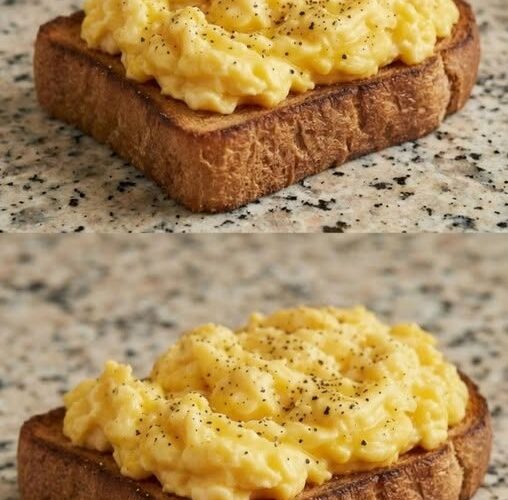
Scrambled eggs are one of the simplest and most comforting breakfast dishes, yet achieving the perfect creamy texture requires more than just mixing eggs and cooking them quickly. A truly delicious scrambled egg recipe depends on gentle heat, proper preparation, and understanding how eggs react during cooking. When prepared correctly, scrambled eggs become soft, silky, and tender with delicate folds that almost melt in your mouth.
This healthy soft scrambled eggs recipe uses basic ingredients that are easy to find while focusing on a cooking method that creates restaurant-quality results at home. Instead of using heavy cream or complicated techniques, this recipe allows the natural richness of eggs to shine. A small amount of butter adds flavor, while water helps create a light and fluffy texture.
Perfect scrambled eggs should never be dry, firm, or rubbery. They should have a creamy appearance, a smooth texture, and a gentle richness that makes them enjoyable on their own or paired with other breakfast favorites. This recipe is ideal for busy mornings, weekend brunches, meal preparation, or anyone looking for a quick protein-rich meal.
Why This Scrambled Eggs Recipe Works
- The secret to excellent scrambled eggs is controlling the cooking process. Eggs contain proteins that set when exposed to heat. Cooking them too quickly causes those proteins to tighten, creating a dry and tough texture. Cooking them slowly allows the proteins to form soft, delicate curds while keeping moisture inside.
- This recipe uses low heat to give the eggs enough time to develop a creamy texture. Instead of constantly stirring or cooking aggressively, the eggs are gently moved around the pan to create smooth folds.
- Another important step is properly whisking the eggs before cooking. Thorough whisking combines the egg whites and yolks evenly and introduces small amounts of air into the mixture. This creates a consistent texture and helps the eggs cook evenly from edge to center.
- The addition of a small amount of water is a simple technique that improves the final result. As the eggs cook, the water creates steam, helping keep the eggs light and tender. Unlike milk or cream, water does not change the natural flavor of the eggs.
- Butter contributes richness and prevents sticking while adding a delicious creamy taste. Cooking the butter gently prevents browning, which keeps the flavor mild and balanced.
Choosing Quality Ingredients
- Although this recipe requires only a few ingredients, choosing good-quality ingredients can make a noticeable difference.
- Eggs
- Eggs are the main ingredient, so freshness matters. Fresh large eggs create better texture and flavor. They should have bright yolks and a clean taste.
- Room-temperature eggs can cook slightly more evenly, although refrigerated eggs also work well. The most important step is whisking them thoroughly before adding them to the pan.
- Butter
- Butter provides flavor and creates a smooth cooking surface. Unsalted butter is ideal because it allows better control over seasoning, but salted butter can also be used by adjusting the added salt.
- The butter should melt slowly over low heat. It should coat the pan without becoming brown.
- Water
- A tablespoon of water is enough to improve texture. It helps create softer eggs without making them heavy.
- Seasonings
- Salt enhances the natural flavor of eggs. Adding a small amount before cooking helps distribute the seasoning throughout the mixture.
- Freshly ground black pepper adds mild spice and depth. Fresh herbs such as chives provide brightness and a light onion flavor that complements the creamy eggs.
The Importance of Low Heat Cooking
- Many people make scrambled eggs by cooking them quickly over medium or high heat. While this method is faster, it often produces dry eggs.
- Low heat allows better control. The eggs slowly thicken, creating soft curds instead of hard pieces. This gentle process requires a little patience but produces a much better texture.
- Start by placing a nonstick skillet over low heat. Add butter and allow it to melt completely. The butter should remain pale and should not begin to foam excessively or brown.
- Once the butter has melted, add the whisked egg mixture. Let the eggs sit briefly before stirring. This allows a thin layer to begin setting on the bottom of the pan.
- Using a silicone spatula, gently push the eggs from the edges toward the center. Continue folding slowly rather than stirring aggressively. This creates larger, softer curds.
Understanding the Perfect Texture
- The ideal scrambled egg texture is somewhere between fully cooked and creamy. The eggs should look slightly glossy when removed from heat.
- Many people overcook scrambled eggs because they wait until the eggs appear completely firm in the pan. However, eggs continue cooking from residual heat even after the pan is removed from the stove.
- Removing them slightly early allows the final texture to remain soft and moist.
- Perfect scrambled eggs should have:
- Soft folds
- Creamy consistency
- Light shine
- Tender texture
- Rich egg flavor
They should not be watery, dry, or firm.
Common Mistakes and How to Avoid Them
- Cooking at Too High a Temperature
- High heat causes eggs to cook too quickly, resulting in dry and uneven texture.
- Solution: Use low heat and cook slowly.
- Overcooking the Eggs
- Leaving eggs on the stove too long removes moisture.
- Solution: Remove the pan when the eggs are almost set but still slightly glossy.
- Not Whisking Enough
- Poorly mixed eggs can create uneven texture.
- Solution: Whisk until the mixture becomes smooth and consistent.
- Using Too Much Liquid
- Adding excessive milk, cream, or water can prevent proper setting.
- Solution: Use only a small amount of water for lightness.
- Stirring Too Aggressively
- Fast stirring breaks the eggs into small pieces.
- Solution: Fold gently with a spatula.
Serving Ideas
- Soft scrambled eggs are incredibly versatile and can be served in many ways.
- For a simple breakfast, serve them over toasted sourdough or whole wheat bread. The crisp bread provides a beautiful contrast to the creamy eggs.
- They also pair well with:
- Fresh avocado slices
- Roasted tomatoes
- Sautéed mushrooms
- Fresh herbs
- Breakfast potatoes
- Seasonal fruit
- For a higher-protein meal, serve the eggs with Greek yogurt, cottage cheese, or grilled vegetables.
- They can also be used in breakfast wraps, sandwiches, or bowls with grains and vegetables.
Recipe Variations
- This basic recipe can easily be customized.
- Cheesy Scrambled Eggs
- Add shredded cheddar, mozzarella, or parmesan during the final moments of cooking for extra richness.
- Herb Scrambled Eggs
- Mix in parsley, chives, basil, or dill for a fresh flavor.
- Vegetable Scrambled Eggs
- Add cooked spinach, mushrooms, peppers, or onions.
- Spicy Scrambled Eggs
- Add chili flakes, hot sauce, or sliced jalapeños.
Storage Tips
- Scrambled eggs taste best immediately after cooking, but leftovers can be stored.
- Allow cooked eggs to cool completely before placing them in an airtight container. Refrigerate for up to two days.
- Reheat gently in a skillet over low heat. Avoid overheating because this can make the eggs tough.
- For the best experience, prepare only the amount needed and enjoy them fresh.
Why Homemade Scrambled Eggs Are Worth Making
- Making scrambled eggs at home allows complete control over ingredients, seasoning, and cooking style. Unlike ready-made breakfast options, homemade eggs can be prepared fresh with simple ingredients while avoiding unnecessary additives. This recipe is also budget-friendly and adaptable, making it suitable for everyday meals. Once you learn the gentle cooking technique, you can create consistently creamy eggs in just a few minutes. Small details like using fresh eggs, controlling heat, and serving immediately make a big difference in the final result. These simple habits turn an ordinary breakfast into a satisfying and enjoyable homemade experience.
Creamy Healthy Soft Scrambled Eggs
- These creamy soft scrambled eggs are a simple, protein-rich breakfast made with fresh eggs, butter, and a touch of water for a light and tender texture. Cooked slowly over low heat, they become silky, flavorful, and perfectly soft. Served with toasted bread and fresh herbs, this easy recipe is ideal for breakfast, brunch, or a quick healthy meal.
Duration
- Preparation Time: 5 minutes
- Cooking Time: 5 minutes
- Total Time: 10 minutes
- Servings: 2 servings
- Difficulty Level: Easy
Ingredients
- 3 large eggs
- 1 tablespoon butter
- 1 tablespoon water
- Pinch of salt
- Freshly ground black pepper (optional)
- 1 tablespoon chopped fresh chives
- Flaky sea salt for finishing
- Toasted wheat bread or sourdough bread for serving
Instructions
- Crack eggs into a bowl and add water and salt.
- Whisk thoroughly until the mixture becomes smooth and slightly airy.
- Heat a nonstick skillet over low heat.
- Add butter and allow it to melt gently without browning.
- Pour the egg mixture into the skillet.
- Allow eggs to sit briefly, then gently move them with a silicone spatula.
- Continue folding slowly until soft curds form.
- Remove from heat while eggs still look slightly glossy.
- Transfer to toasted bread.
- Finish with fresh chives, black pepper, and flaky sea salt.
- Serve immediately.
Nutrition Facts (Approximate Per Serving)
- Calories: 182 kcal
- Protein: 12 g
- Carbohydrates: 1 g
- Fat: 14 g
- Saturated Fat: 6 g
- Cholesterol: 343 mg
- Sodium: 473 mg
- Potassium: 145 mg
- Calcium: 68 mg
- Iron: 2 mg
