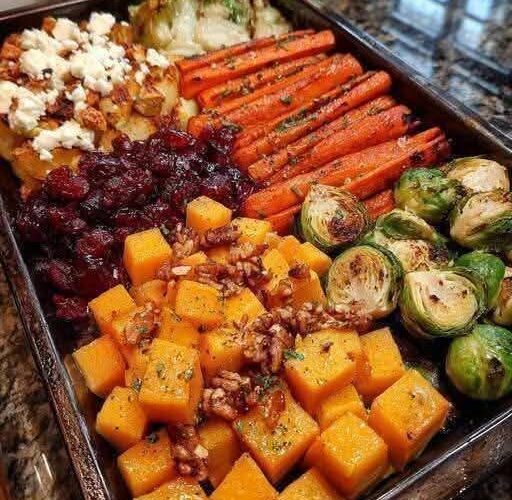
Caramelized butternut squash is a simple yet incredibly flavorful vegetable dish that transforms an ordinary squash into a rich, sweet, and comforting side. When roasted correctly, the natural sugars in the squash become concentrated, creating beautifully golden edges, a creamy center, and a deep roasted flavor that feels almost like a dessert while still being perfect for savory meals.
The secret to great caramelized squash is patience. High heat, proper seasoning, and enough space on the baking tray allow the squash to roast instead of steam. The result is tender cubes with slightly crisp caramelized edges and a naturally sweet, nutty flavor.
This dish works beautifully for everyday dinners, holiday meals, and special gatherings. It pairs well with roasted meats, grain bowls, salads, pasta dishes, and can even be enjoyed on its own with simple toppings.
Understanding Butternut Squash
Butternut squash is a winter squash known for its smooth tan skin and bright orange flesh. Its flavor is naturally sweet with hints of pumpkin, sweet potato, and roasted nuts.
During roasting, heat breaks down the squash’s natural starches into sugars. These sugars caramelize on the surface, creating the rich golden color and deeper flavor that makes this dish special.
A good butternut squash should:
- Feel heavy for its size
- Have firm skin
- Be free from soft spots
- Have a deep orange interior
Smaller or medium-sized squash often have a sweeter and more concentrated flavor.
Why Caramelization Makes a Difference
Roasting and caramelization are what turn simple squash into a memorable dish.
Proper caramelization creates:
- Golden brown edges
- Concentrated sweetness
- Nutty roasted flavors
- Slight crispness outside
- Soft creamy texture inside
The biggest factor that prevents caramelization is excess moisture. If squash pieces are crowded together on a tray, they release steam and become soft instead of developing a roasted surface.
Giving each piece enough space allows the heat to work properly.
Ingredient Breakdown
Butternut Squash
The main ingredient provides natural sweetness and a creamy texture after roasting.
Cutting the squash into evenly sized cubes is important because equal pieces cook at the same rate.
Olive Oil and Butter
Using both oil and butter creates a balance of flavor and texture.
Olive oil helps with roasting at high temperatures, while butter adds richness and a smooth, slightly nutty taste.
Together they help the squash brown beautifully.
Brown Sugar and Maple Syrup
These ingredients enhance the squash’s natural sweetness.
They help create:
- Glossy caramelized edges
- Rich flavor
- Deeper roasted notes
Only a small amount is needed because butternut squash already contains natural sugars.
Garlic and Fresh Herbs
Garlic adds savory depth, while herbs such as thyme and rosemary provide a fresh, aromatic contrast.
These flavors prevent the dish from becoming overly sweet.
Warm Spices
A small amount of cinnamon and nutmeg complements the natural sweetness of the squash.
Smoked paprika adds a subtle smoky flavor that creates more complexity.
Preparing the Squash
Step 1: Wash and Dry
Wash the squash thoroughly before cutting.
Dry it completely to make handling easier.
Step 2: Cut and Peel
Use a sharp knife to remove both ends of the squash.
Peel away the outer skin until the bright orange flesh is visible.
The skin is tough, so a strong vegetable peeler works best.
Step 3: Remove Seeds
Cut the squash in half and scoop out the seeds and stringy inside section.
The seeds can be cleaned and roasted separately as a snack.
Step 4: Cut Even Cubes
Cut the squash into cubes about 1 inch in size.
Uniform pieces are important because:
- Small pieces may burn
- Large pieces may remain undercooked
Even cubes create consistent texture.
The Best Roasting Method
Use High Heat
A hot oven is essential for caramelization.
A temperature around:
425°F (220°C)
allows moisture to evaporate quickly while encouraging browning.
Lower temperatures may soften the squash but will not create the same roasted flavor.
Avoid Overcrowding
Spread squash pieces in a single layer.
Leave small spaces between cubes whenever possible.
If the tray is too full, use two baking sheets instead.
Flip During Roasting
Turning the squash halfway through cooking helps create even browning on multiple sides.
The first side develops color while roasting, and flipping allows the remaining surfaces to caramelize.
How to Know When It Is Perfect
Perfect caramelized butternut squash should have:
Outside
- Golden brown edges
- Slightly crisp surfaces
Inside
- Soft creamy texture
- Easy fork tenderness
Flavor
- Sweet roasted notes
- Mild nuttiness
- Balanced seasoning
The goal is not mushy squash but a texture that is soft while still holding its shape.
Common Mistakes and Solutions
Squash Does Not Brown
Cause: The pan is overcrowded.
Solution: Spread pieces apart or use another tray.
Squash Becomes Too Soft
Cause: Too much moisture or too low a temperature.
Solution: Roast at high heat and avoid adding excess liquid.
Uneven Cooking
Cause: Pieces are different sizes.
Solution: Cut cubes as evenly as possible.
Too Sweet
Cause: Too much added sugar or syrup.
Solution: Let the natural sweetness of the squash shine and use sweeteners carefully.
Burnt Edges
Cause: Excess sugar or very small pieces.
Solution: Monitor closely near the end of cooking.
Flavor Variations
Garlic Herb Squash
Increase:
- Garlic
- Rosemary
- Thyme
Finish with parmesan cheese for extra richness.
Spicy Version
Add:
- Chili flakes
- Cayenne pepper
- Hot honey drizzle
This creates a sweet and spicy combination.
Holiday Style
Add:
- Toasted pecans
- Dried cranberries
- Extra cinnamon
Perfect for Thanksgiving or Christmas dinners.
Mediterranean Style
Finish with:
- Feta cheese
- Fresh parsley
- Lemon zest
The fresh flavors balance the sweetness.
Serving Ideas
Caramelized butternut squash is extremely versatile.
Serve it with:
- Roast chicken
- Turkey
- Pork
- Steak
- Salmon
- Rice dishes
- Quinoa bowls
- Pasta
- Salads
- Lentils
It can also be used as a topping for:
- Flatbreads
- Pizza
- Grain bowls
- Creamy soups
Turning It Into a Complete Meal
To make this dish more filling, combine it with:
- Chickpeas
- Quinoa
- Kale
- Roasted nuts
- Goat cheese
- Fried eggs
- Tahini dressing
These additions create a balanced and satisfying meal.
Storage and Reheating
Refrigerator
Allow squash to cool completely.
Store in an airtight container for:
Up to 4 days
Reheating
For the best texture:
- Spread squash on a baking tray
- Heat at 400°F (200°C)
- Warm for 10–15 minutes
This helps restore some crispness.
Microwaving works but may soften the caramelized edges.
Freezing
Caramelized squash can be frozen for up to:
2 months
The texture may become slightly softer after thawing, but the flavor remains delicious.
Why This Recipe Is Worth Making
Caramelized butternut squash proves that simple ingredients can create an impressive dish. With the right roasting technique, this humble vegetable becomes sweet, savory, rich, and deeply flavorful.
It is:
- Easy to prepare
- Naturally nutritious
- Holiday-friendly
- Meal-prep friendly
- Full of comforting flavor
Whether served as a side dish or transformed into a complete meal, caramelized butternut squash is a recipe that deserves a regular place in your kitchen.
Recipe Information
Prep Time: 15 minutes
Cook Time: 35–45 minutes
Total Time: About 1 hour
Servings: 6
Category: Side Dish
Ingredients
Main Ingredients
- 1 large butternut squash (3–4 pounds), peeled and cubed
- 3 tablespoons olive oil
- 2 tablespoons unsalted butter, melted
- 2 tablespoons brown sugar
- 1 tablespoon maple syrup
- 2 cloves garlic, minced
- 1 teaspoon fresh thyme
- 1 teaspoon fresh rosemary, chopped
- 1 teaspoon kosher salt
- ½ teaspoon black pepper
- ½ teaspoon smoked paprika
- ¼ teaspoon cinnamon
- ⅛ teaspoon nutmeg
Optional Toppings
- Flaky sea salt
- Fresh parsley
- Toasted pecans
- Goat cheese
- Balsamic glaze
- Chili flakes
Instructions
Step 1: Prepare the Squash
Wash and dry the squash.
Cut off the ends, peel the skin, remove the seeds, and cut the flesh into evenly sized 1-inch cubes.
Even pieces help the squash cook evenly.
Step 2: Season the Squash
Place squash cubes in a large bowl.
Add:
- Olive oil
- Melted butter
- Brown sugar
- Maple syrup
- Garlic
- Herbs
- Spices
- Salt and pepper
Mix well until every piece is evenly coated.
Step 3: Roast the Squash
Preheat oven to:
425°F (220°C)
Line a baking sheet with parchment paper.
Spread squash cubes in a single layer, leaving space between pieces.
Roast for:
20 minutes
Then flip the pieces and continue roasting for:
15–25 minutes
until the edges are golden brown and the centers are tender.
Step 4: Finish and Serve
For extra caramelization, broil for 2–3 minutes while watching carefully.
Remove from oven and add optional toppings such as:
- Fresh herbs
- Pecans
- Cheese
- Balsamic glaze
Serve warm.
Helpful Tips
- Do not overcrowd the baking tray; steam prevents browning.
- Cut cubes evenly for consistent cooking.
- Use high heat for better caramelization.
- Add fresh herbs after roasting for a brighter flavor.
- Taste and adjust seasoning before serving.
Variations
Sweet Holiday Version
Add pecans, cranberries, and extra cinnamon.
Spicy Version
Add chili flakes or a drizzle of hot honey.
Garlic Herb Version
Increase garlic and herbs, then finish with parmesan cheese.
Maple Glaze Version
Mix maple syrup with melted butter and drizzle before serving.
Storage
Refrigerator: Store in an airtight container for up to 4 days.
Freezer: Freeze for up to 2 months.
Reheating: Warm in a 400°F oven for 10–15 minutes for the best texture.
Nutrition Information
(Approximate per serving)
- Calories: 220
- Carbohydrates: 30g
- Protein: 3g
- Fat: 11g
- Fiber: 5g
- Sugar: 12g
