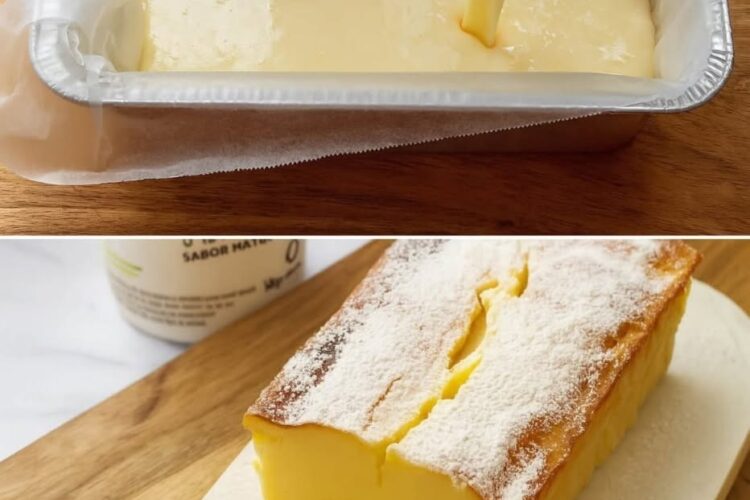
A homemade cake does not always have to be heavy, rich, or loaded with sugar and butter. This Low Calorie Greek Yogurt Cake is a perfect example of how simple ingredients can create a delicious dessert that feels light while still being satisfying. The cake has a soft texture, gentle sweetness, and a naturally moist crumb because of the Greek yogurt used in the batter.
Greek yogurt is the key ingredient that makes this cake different from traditional cakes. It adds moisture, improves texture, and provides a creamy consistency without requiring large amounts of fat. The result is a tender cake that stays fresh and enjoyable while being a lighter option for anyone looking for a balanced dessert.
This cake is ideal for many occasions. It can be served with morning tea, enjoyed as an afternoon snack, prepared for family gatherings, or offered as a simple dessert after dinner. Because it uses basic pantry ingredients and does not require complicated techniques, it is suitable for beginner bakers as well as experienced home cooks.
The flavor of this cake is naturally mild, allowing you to customize it in many ways. A little lemon zest creates a fresh citrus aroma, while cinnamon adds warmth and sweetness. You can also add fresh berries, chopped nuts, or a light topping to create different versions while keeping the recipe simple.
Why You Will Love This Greek Yogurt Cake
- There are many reasons this cake has become a favorite among people who enjoy lighter desserts.
- Light Yet Satisfying Texture
- The combination of Greek yogurt, eggs, and flour creates a cake that is soft without becoming dense. Unlike some low calorie desserts that may feel dry, this recipe maintains a pleasant moisture level.
- Simple Ingredients
- You do not need expensive or unusual ingredients. Everything needed for this cake can usually be found in a regular kitchen:
- Greek yogurt
- Eggs
- Flour
- Sweetener
- Oil
- Baking ingredients
- Vanilla flavoring
Easy Preparation
- This recipe does not require a mixer, special equipment, or advanced baking skills. A bowl, whisk, and baking pan are enough to create a delicious homemade cake.
- Naturally Moist
- Greek yogurt contains moisture and protein, which help create a tender texture. It keeps the cake from becoming dry while adding a subtle creamy quality.
- Understanding the Role of Each Ingredient
- Every ingredient contributes something important to the final result.
- Greek Yogurt
- Greek yogurt is the foundation of this cake. It provides:
- Moisture
- Soft texture
- Creaminess
- Mild tangy flavor
- Using thick Greek yogurt works best because it creates a richer batter and improves the structure of the cake.
- Eggs
- Eggs help bind the ingredients together. They also contribute:
- Structure
- Richness
- A smoother texture
- Better color
Honey or Sugar Substitute
- A small amount of sweetener provides gentle sweetness without making the cake overly sugary. Honey adds natural flavor, while sugar substitutes can reduce calories further depending on the product used.
- Oil
- Oil helps keep the cake soft and prevents dryness. Only a small amount is needed because the yogurt already provides moisture.
- Flour
- All-purpose flour gives the cake its structure. Proper measurement is important because too much flour can make the cake heavy.
- Baking Powder and Baking Soda
- These ingredients help the cake rise and create a lighter texture. Baking soda also balances the slight acidity of Greek yogurt.
- Vanilla Extract
- Vanilla enhances the overall flavor and gives the cake a pleasant bakery-style aroma.
Preparing the Perfect Batter
- The most important step when making this cake is mixing the ingredients correctly.
- Start by combining the wet ingredients until smooth. The yogurt, eggs, sweetener, oil, and vanilla should form a creamy mixture before adding the dry ingredients.
- When adding flour, baking powder, baking soda, and salt, mix gently. Overmixing develops too much gluten, which can make the cake tougher instead of soft.
- The batter should be smooth and slightly thick. It should spread easily into the baking pan without being watery.
Baking Tips for the Best Results
- Use Room Temperature Ingredients
- Allowing ingredients such as eggs and yogurt to sit at room temperature for a short time helps them combine more evenly.
- Avoid Overbaking
- A cake can quickly lose moisture if baked too long. Start checking the cake near the end of the recommended baking time. A toothpick inserted into the center should come out clean or with only a few moist crumbs.
- Allow Cooling Time
- Cooling is an important part of the process. The cake continues to set after leaving the oven. Cutting it too early may cause the texture to feel softer than expected.
Flavor Variations
- This basic recipe can be changed in many delicious ways.
- Lemon Greek Yogurt Cake
- Add fresh lemon zest and a small amount of lemon juice for a bright citrus flavor.
- Berry Yogurt Cake
- Fold fresh blueberries, raspberries, or strawberries into the batter before baking.
- Cinnamon Yogurt Cake
- Add cinnamon and a small pinch of nutmeg for a warm homemade flavor.
- Chocolate Version
- Add unsweetened cocoa powder and a few dark chocolate pieces for a healthier chocolate-style dessert.
- Nutty Version
- Mix in chopped almonds, walnuts, or pecans for extra texture.
Serving Suggestions
- This cake can be enjoyed in many ways.
- Serve it:
- With fresh fruit
- Alongside tea or coffee
- With a spoonful of Greek yogurt
- Lightly dusted with powdered sweetener
- With a small drizzle of honey
- For a simple dessert plate, combine a slice of cake with berries and a cup of herbal tea.
Storage Tips
- Proper storage helps maintain the cake’s softness.
- At room temperature, store the cake in an airtight container for up to two days.
- For longer freshness, refrigerate it for up to five days. Allow slices to come close to room temperature before serving for the best texture.
- The cake can also be frozen. Wrap individual slices and store them in freezer-safe containers for up to three months.
Common Mistakes to Avoid
- Using Thin Yogurt
- Very watery yogurt can make the batter too loose. Thick Greek yogurt gives the best results.
- Overmixing the Batter
- Mix only until combined. Excess mixing can create a heavier texture.
- Incorrect Flour Measurement
- Too much flour can make the cake dry. Measure carefully for consistent results.
- Cutting Immediately After Baking
- Allow the cake to cool before slicing to maintain its structure
- Low Calorie Greek Yogurt Cake
- A soft, moist, and light homemade cake made with Greek yogurt. This healthier dessert option is simple to prepare, naturally tender, and perfect for breakfast, tea time, snacks, or a light sweet treat.
Duration
- Preparation Time: 10 minutes
Baking Time: 30–35 minutes
Cooling Time: 10–15 minutes
Total Time: Approximately 45–60 minutes - Difficulty Level: Easy
Servings: 8 slices
Ingredients
Main Ingredients
- 1 cup plain Greek yogurt (low fat or fat free)
- 2 large eggs
- ¼ cup honey or preferred sugar substitute
- ¼ cup vegetable oil
- 1 teaspoon vanilla extract
- 1 cup all-purpose flour
- 1 teaspoon baking powder
- ¼ teaspoon baking soda
- Pinch of salt
Optional Flavor Additions
- 1 teaspoon lemon zest
- ½ teaspoon cinnamon
- Fresh berries
- Chopped nuts
Instructions
- Prepare the Oven
- Preheat the oven to 350°F (180°C).
- Grease a cake pan lightly with oil or line it with baking paper.
- Mix Wet Ingredients
- Add Greek yogurt, eggs, honey or sweetener, oil, and vanilla extract into a mixing bowl.
- Whisk until the mixture becomes smooth and creamy.
- Add Dry Ingredients
- Add flour, baking powder, baking soda, and salt.
- Mix gently until everything is combined.
- Avoid overmixing.
- Add lemon zest or cinnamon if desired.
- Bake the Cake
- Pour the batter into the prepared cake pan.
- Smooth the surface evenly.
- Bake for 30–35 minutes until golden and a toothpick inserted in the center comes out clean.
- Cool and Serve
- Remove the cake from the oven.
- Allow it to cool for 10–15 minutes before slicing.
- Serve plain or with your favorite light toppings.
Nutrition
- Calories: 140–170 kcal
Protein: 5–7 g
Carbohydrates: 18–22 g
Fat: 5–7 g
Sugar: 5–8 g
Fiber: 1 g
Calcium: Moderate amount from Greek yogurt - Nutrition values may vary depending on the type of yogurt, sweetener, and oil used.
