








In the healthcare industry, where timely access to patient data is a matter of life and death, the integration of faxing with electronic medical record (EMR) systems, such as Epic, can have profound implications. For example, by interfacing fax technology with Epic, healthcare providers can see a reduction in manual data entry, leading to fewer input errors and streamlined workflows.
This fusion of technologies not only fortifies the communication channels between different care providers but also solidifies the path toward comprehensive healthcare automation. Keep reading to discover how making faxing a part of Epic’s system enhances the overall efficacy of patient care services.
Streamlining Patient Information Management with Fax Integration in Epic
One of the immediate benefits of integrating fax services with Epic is the simplified management of patient information. As faxes arrive, they can be automatically converted into digital documents and directly incorporated into a patient’s electronic health record (EHR), creating a more seamless flow of information.
This process reduces the need for manual scanning and data entry, which not only cuts down on time but also diminishes the risk of mistakes. Clinics and hospitals can achieve greater accuracy in maintaining patient records, thus elevating the quality of care they can provide. By choosing to integrate faxing with Epic, organizations can enhance their efficiency.
To ensure optimal integration, it’s advisable for healthcare organizations to choose fax solutions that are known to work well with Epic’s interface, focusing on providers that offer direct integration capabilities and robust support services.
Enhancing Communication and Reducing Errors in Clinical Settings
Integrating faxing with Epic directly impacts clinical communication by enabling prompt and reliable sharing of patient information among healthcare providers. In a landscape where seconds count, this immediacy can be critical.
By integrating fax capability, healthcare professionals can send and receive patient information, lab results, or medical orders without the usual delays of traditional fax machines, thereby reducing the incidence of medical errors associated with delayed or lost documents. Medical communication mishaps can be significantly mitigated through such direct and efficient methods.
Clinics looking to improve their communication processes should audit their current faxing practices, consult with Epic integration specialists, and explore how a fax integration can best be tailored to their specific needs.
Accelerating Turnaround Times for Patient Care Coordination

Fax integration within Epic can expedite patient care coordination considerably. The swift transfer of medical records, referrals, and authorization forms between institutions means that the necessary groundwork for patient transfers or specialized care can be completed more rapidly.
This acceleration directly contributes to reduced wait times for patients and enables healthcare providers to make decisions with a more complete set of information. As such, patient outcomes can be positively influenced through more efficient coordination. Patient care coordination is a complex process, and any improvements in its efficiency can have a significant ripple effect.
Healthcare systems should assess the potential time savings and associated benefits that come with fax-Epic integration, considering factors such as volume of fax transmissions and the typical breadth of their referral networks.
Measuring the Impact of Fax Integration on Healthcare Administrative Tasks
Fax integration with Epic has quantifiable impacts on healthcare administrative task management. With a seamless integration, there is a noticeable decrease in the manual processing of documents and related administrative workload.
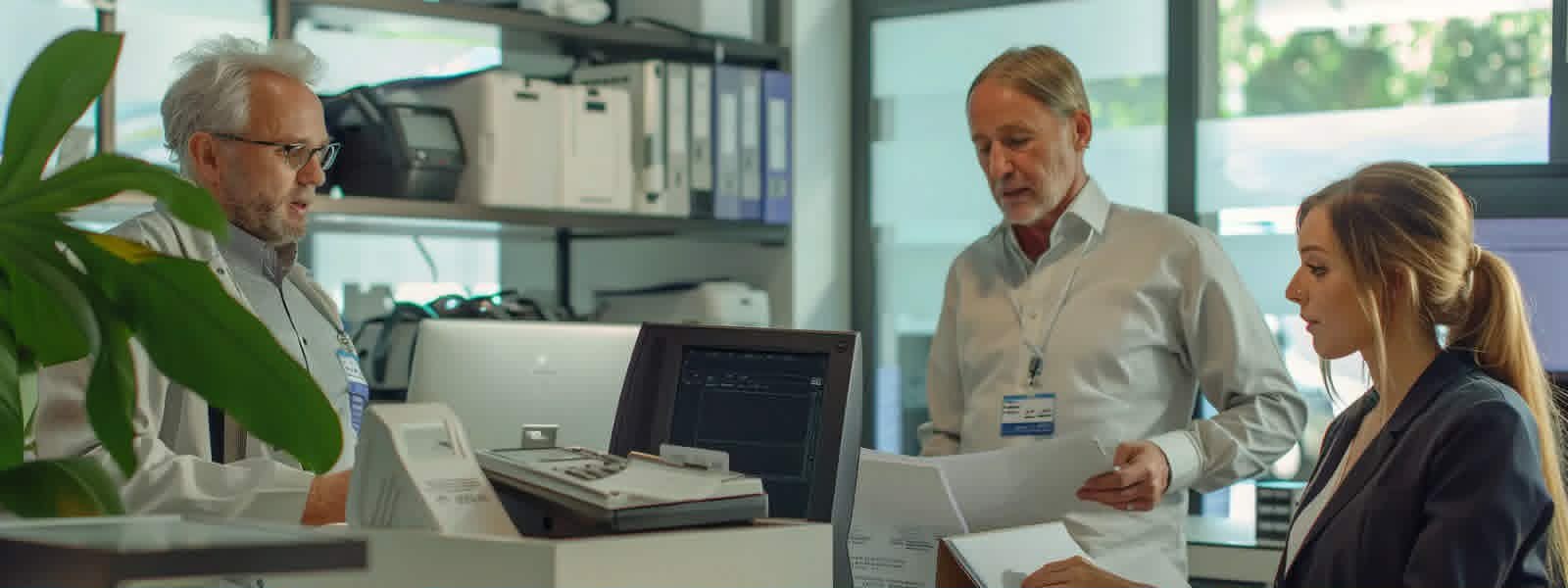
For instance, administrative staff can avoid spending excessive time on fax machines and instead focus on higher-value tasks, as faxed documents can be automatically ingested into Epic. Additionally, the visibility of document statuses within Epic can help in tracking and managing workflows more effectively, thereby enhancing overall productivity.
To capture the full advantages of fax integration, healthcare organizations should implement metrics to track improvements in administrative task completion and document processing. This can be complemented with staff feedback to fine-tune the system for maximum efficiency.
Ultimately, the integration of faxing with Epic’s powerful EMR platform presents compelling advantages for healthcare providers. Not only does it streamline patient information management and enhance clinical communications, but it also accelerates patient care coordination and simplifies administrative workflows. As healthcare continues to evolve, leveraging such integrative solutions will be key to staying at the forefront of quality patient care and operational efficiency.