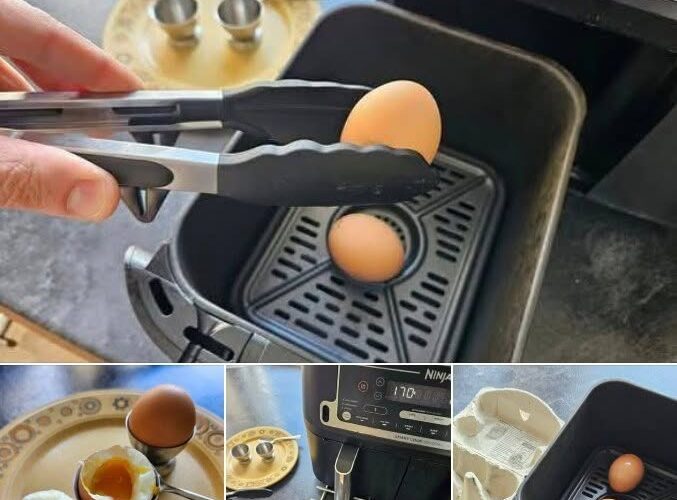
Soft-boiled eggs are a classic example of how a simple ingredient can become something truly special with the right technique. With a tender white and a warm, golden yolk that flows smoothly when cut open, a perfectly cooked soft-boiled egg can turn an everyday meal into a satisfying experience.
These eggs are enjoyed in many different ways around the world. They can be served with crispy toast strips for dipping, added to bowls of noodles, placed over salads, paired with roasted vegetables, or enjoyed simply with a little salt and pepper. Their mild flavor and creamy texture make them one of the most adaptable foods in the kitchen.
Although cooking an egg may seem effortless, achieving the ideal soft-boiled texture depends on timing, temperature, and preparation. The goal is to create whites that are fully cooked and firm enough to hold their shape while keeping the yolk smooth, warm, and creamy inside.
Once the correct method becomes familiar, making consistently delicious soft-boiled eggs becomes a simple kitchen skill that requires very little effort.
Why Soft-Boiled Eggs Are Worth Making
- There are many reasons soft-boiled eggs remain a favorite choice for home cooks. They are quick to prepare, require only a few basic ingredients, and can be enjoyed at almost any time of day.
- They provide a convenient source of high-quality protein and pair well with countless foods. A soft-boiled egg can add richness to a simple breakfast, extra nutrition to a lunch bowl, or a satisfying finishing touch to a dinner dish.
- Another benefit is flexibility. Everyone has a different preference for yolk texture. Some people enjoy a very liquid center that creates a sauce-like consistency, while others prefer a thicker, creamier yolk that still remains soft. By adjusting the cooking time by only a small amount, the final result can be customized easily.
Choosing the Best Eggs
- The type and condition of the eggs can affect both cooking results and peeling.
- Eggs that are several days old are often easier to peel than extremely fresh eggs. As eggs age, natural changes occur inside the shell that allow the cooked egg white to separate more easily from the inner membrane.
- While very fresh eggs can still be used, slightly older eggs often produce a cleaner peeling process.
- Before cooking, inspect each egg carefully and avoid using eggs with cracked shells. Cracks can allow water to enter during cooking and may affect the final texture.
Preparing Eggs Before Cooking
- Allowing refrigerated eggs to sit at room temperature for a short time before cooking can help reduce the chance of cracking. A sudden temperature change between a cold egg and boiling water may cause the shell to break.
- Prepare an ice bath before starting. Having cold water ready allows the cooking process to stop immediately once the eggs reach the desired texture.
- A timer is also highly recommended because soft-boiled eggs depend heavily on precise cooking time. Even a difference of thirty seconds can change the consistency of the yolk.
Understanding Cooking Time
- Cooking time is the most important factor when preparing soft-boiled eggs.
- For a very soft center with a thin, runny yolk, about five minutes of cooking usually produces the desired result.
- For a slightly thicker but still creamy yolk, around six minutes creates a richer texture while maintaining softness.
- Egg size, starting temperature, and altitude can slightly affect cooking results, so small adjustments may be needed depending on your kitchen conditions.
The Importance of an Ice Bath
- Immediately transferring cooked eggs into ice water is an important step that should not be skipped.
- The cold water quickly lowers the temperature of the eggs and prevents carryover cooking. Without this step, the remaining heat inside the egg can continue cooking the yolk and make it firmer than intended.
- An ice bath also helps make peeling easier by causing the egg to contract slightly inside the shell.
Peeling Soft-Boiled Eggs Successfully
- Soft-boiled eggs require a gentle approach when peeling because the yolk remains delicate.
- Start by tapping the wider end of the egg, where a small air pocket usually forms. Carefully crack the shell around the egg, then peel slowly.
- If the shell sticks, peeling under a gentle stream of water can help separate the shell pieces without damaging the egg white.
Ways to Serve Soft-Boiled Eggs
- Soft-boiled eggs are incredibly versatile and can be enjoyed in many dishes.
- Popular serving ideas include:
- Toast with butter or olive oil
- Avocado toast
- Ramen and noodle bowls
- Fresh green salads
- Rice bowls
- Roasted vegetables
- Breakfast sandwiches
- Grain-based meals
- A simple sprinkle of salt, black pepper, chili flakes, or herbs can enhance the natural flavor of the egg.
Helpful Tips for Consistent Results
- Always use a timer for accurate cooking.
- Lower eggs gently into boiling water to prevent cracking.
- Prepare the ice bath before cooking begins.
- Adjust cooking time slightly for larger eggs.
- Avoid overcooking if you want a creamy yolk.
- Peel carefully to maintain the egg’s smooth appearance.
- Serve immediately for the best texture and flavor.
Storage Advice
- Soft-boiled eggs are best enjoyed soon after cooking because their texture is at its peak when freshly prepared.
- If needed, cooked eggs can be stored unpeeled in the refrigerator for up to two days. When serving later, warming them briefly in hot water can help bring back some of their original softness.
Perfect Soft-Boiled Eggs
Description
- A simple method for preparing soft-boiled eggs with firm whites and creamy, golden yolks. This quick recipe is ideal for breakfast, snacks, salads, noodles, and many other meals.
Recipe Information
- Course: Breakfast, Snack, Side Dish
- Cuisine: International
- Difficulty: Easy
- Servings: As needed
- Preparation Time: 10 minutes
- Cooking Time: 5–6 minutes
- Total Time: About 16 minutes
Ingredients
Main Ingredients
- Fresh eggs (as many as desired)
- Water
Optional Ingredients
- Salt, for serving
- Vinegar, optional for cooking water
- Ice, for ice bath
Equipment
- Medium saucepan or pot
- Slotted spoon
- Timer
- Bowl for ice bath
- Kitchen thermometer (optional)
Instructions
- Prepare the Ice Bath
- Fill a bowl with cold water and plenty of ice. Set it aside before cooking the eggs.
- Heat the Water
- Fill a saucepan with enough water to completely cover the eggs by at least 2–3 centimeters.
- Bring the water to a steady boil.
- Add the Eggs
- Using a spoon, carefully lower each egg into the boiling water.
- Avoid dropping the eggs directly into the pot because this may cause the shells to crack.
- Cook the Eggs
- For a very runny yolk:
- Cook for approximately 5 minutes.
- For a thicker but creamy yolk:
- Cook for approximately 6 minutes.
- Keep the water at a gentle boil during cooking.
- Cool the Eggs
- Immediately transfer the cooked eggs into the prepared ice bath.
- Allow them to cool for 2–3 minutes to stop the cooking process.
- Peel and Serve
- Gently crack the shell on a hard surface.
- Peel carefully, starting from the wider end of the egg.
- Serve immediately with your favorite toppings or dishes.
Nutrition
- Calories: 70 kcal
- Protein: 6 g
- Total Fat: 5 g
- Saturated Fat: 1.6 g
- Carbohydrates: 0.5 g
- Cholesterol: 186 mg
- Sodium: 70 mg
Notes
- Slightly older eggs are usually easier to peel.
- Room-temperature eggs are less likely to crack when placed in boiling water.
- Cooking time may vary slightly depending on egg size.
- A small amount of vinegar in the water may help contain egg whites if a shell cracks.
- For the best texture, serve immediately after peeling.
- Soft-boiled eggs can be stored in their shells in the refrigerator for up to two days.
