









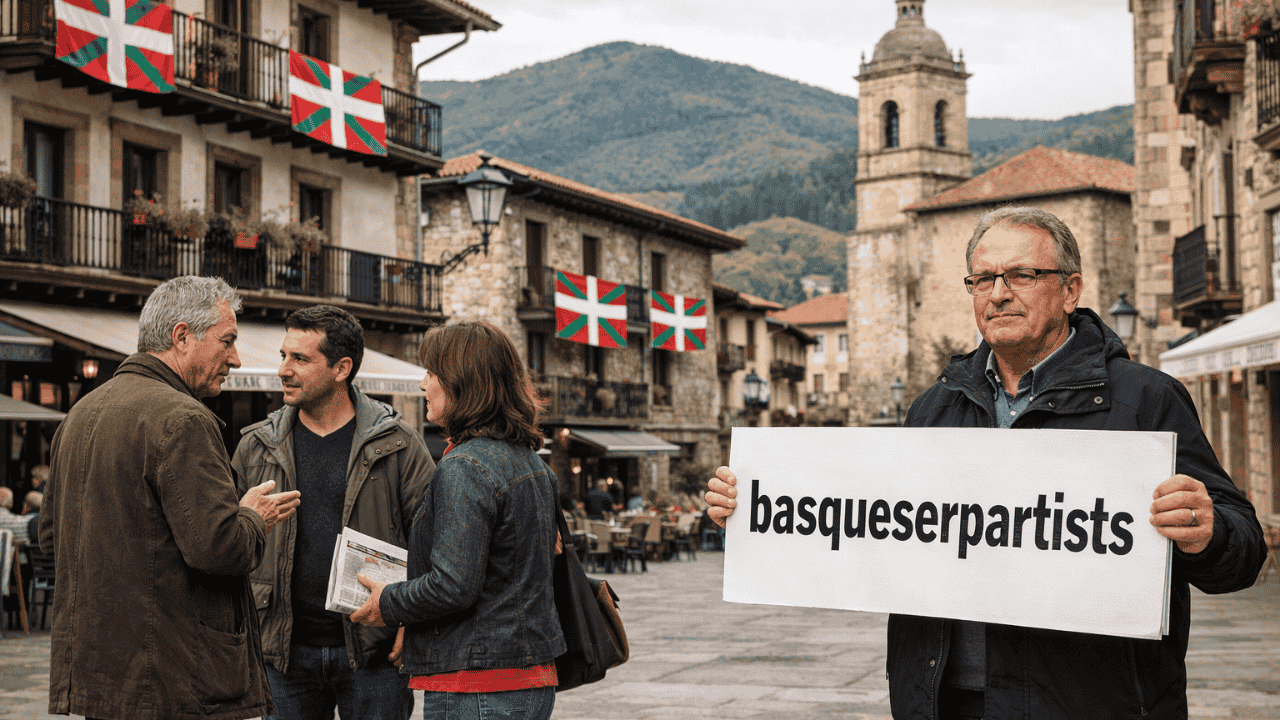
The story of the basqueserpartists is not just about politics or armed struggle. It is rooted in language, land, and a stubborn sense of identity that has survived for centuries. To understand why separatism took hold in the Basque region, you have to look beyond headlines about bombs and arrests and step into a place where culture runs deep and memories of repression still shape public opinion. The movement changed over time, shifting from underground militancy to ballots and debates, and today it stands at a very different crossroads than it did fifty years ago.
Where the Basques come from and why identity matters
The Basques live in a region that stretches across northern Spain and a small part of southwestern France. What sets them apart is not just geography but language and heritage. Euskara, the Basque language, is unrelated to Spanish or French and is considered one of the oldest languages in Europe. For many locals, it is proof that their community existed long before modern borders were drawn.
Identity in the Basque Country is visible everywhere:
- bilingual street signs in Euskara and Spanish
- local festivals and traditional sports
- strong regional schools and cultural centers
- family ties that often go back generations in the same town
This sense of continuity created fertile ground for the rise of basqueserpartists. When people feel they are culturally distinct, they often want political control to match.
Early nationalism and the roots of separatism
Basque nationalism did not begin with violence. In the late 19th and early 20th centuries, political thinkers and activists argued for autonomy through peaceful means. They wanted local control over taxes, education, and language policy. At first, the goal was not always full independence. Many simply wanted recognition and self-rule.
Things changed during the dictatorship of Francisco Franco in Spain. After the Spanish Civil War, Franco cracked down hard on regional identities. The Basque language was banned in public spaces. Cultural events were restricted. Political parties were silenced.
For many young Basques, that repression felt personal. Their language disappeared from schools. Their traditions were treated as suspicious. It is in this atmosphere that basqueserpartists started to see independence not as an option, but as a necessity.
The birth of ETA and the turn to armed struggle
In 1959, a group of students and activists formed Euskadi Ta Askatasuna, known as ETA, which means Basque Homeland and Liberty. At first, it focused on cultural defense and political education. Over time, frustration grew, and tactics hardened.
ETA began carrying out bombings, kidnappings, and assassinations. The organization claimed these actions were a way to pressure the Spanish state into granting independence. Spanish authorities labeled them terrorists. The conflict quickly escalated.
Key facts about ETA’s campaign:
- active from 1959 to 2018
- responsible for more than 850 deaths
- thousands injured in attacks across decades
- targeted politicians, police officers, and sometimes civilians
For decades, the name basqueserpartists became closely associated with violence in the international press. That label overshadowed the broader cultural and political movement.
Life during the Basque conflict
From the 1970s through the early 2000s, daily life in parts of the Basque Country was tense. Police checkpoints were common. Political rallies could turn heated. Families were divided in their views. Some quietly supported the goals of basqueserpartists but rejected violence. Others wanted nothing to do with separatism at all.
At the same time, Spain transitioned to democracy after Franco’s death. The new constitution granted the Basque region significant autonomy. The Basque government gained control over:
- education
- policing
- health services
- tax collection
These powers made the region one of the most autonomous areas in Europe. Still, ETA continued attacks, arguing that autonomy was not enough. They wanted full independence.
This period left scars. Victims’ families demanded justice. Many Basques grew tired of the constant fear. Public support for armed struggle slowly faded.
Why public opinion began to shift
By the 2000s, several factors pushed basqueserpartists away from violence:
First, security forces became more effective. Arrests and intelligence operations weakened ETA’s leadership. Second, ordinary people began organizing mass protests against attacks. Large demonstrations showed that many locals no longer tolerated bloodshed in their name.
Third, economic stability made war less attractive. The Basque Country developed a strong industrial base and relatively high living standards. Businesses and workers feared that continued violence would scare off investment and jobs.
The mood changed from confrontation to fatigue. People wanted normal life back.
The end of ETA and what came after
In 2011, ETA announced a definitive end to armed activity. In 2018, it formally dissolved. This marked the close of one of Western Europe’s longest internal conflicts.
The disappearance of ETA did not mean the disappearance of basqueserpartists. It simply meant the strategy changed. Instead of bombs, the focus moved to elections and public debate.
Political parties linked to the independence cause began competing in regional and national elections. Groups like EH Bildu gained seats and pushed for self-determination through legal and democratic channels.
This shift had two major effects:
- it reduced violence almost entirely
- it allowed independence supporters to speak openly without fear of being tied to terrorism
Today, the conversation looks more like politics and less like war.
Basque autonomy versus full independence
Not every Basque wants a separate country. Opinions are mixed. Some prefer to stay within Spain but keep strong regional powers. Others believe full independence would protect their culture better.
Arguments often center on practical issues:
- Would an independent Basque state be economically stable?
- How would it handle trade with Spain and the European Union?
- Would pensions, healthcare, and public services improve or suffer?
The Basque economy is relatively strong, with manufacturing, technology, and exports playing a big role. Supporters of basqueserpartists say this proves the region could stand alone. Critics warn that separation could create uncertainty.
The debate continues, but it now happens in parliaments and town halls instead of back alleys.
Comparing Basque separatism to other movements
It helps to see basqueserpartists in a broader European context. Catalonia, Scotland, and other regions have also pushed for independence. The big difference is strategy.
Catalonia relied mostly on referendums and peaceful protests. Scotland negotiated votes with the UK government. The Basque case stands out because of its long period of armed struggle.
That history still shapes how outsiders view the movement. Even though violence has ended, the old image lingers. Part of the modern challenge for basqueserpartists is rebuilding trust and showing that their goals can be pursued democratically.
Culture remains the backbone of the movement
Strip away the politics and what remains is culture. Schools teach Euskara to new generations. Local media operate in the Basque language. Festivals celebrate regional food, music, and sports.
For many people, supporting basqueserpartists today simply means protecting these traditions. It does not necessarily mean wanting immediate independence. It means wanting control over how their community lives.
In that sense, the movement is less about drawing new borders and more about preserving a way of life.
The present and future of basqueserpartists
Right now, the Basque Country is peaceful. Elections are competitive. Young people are more focused on jobs, housing, and climate issues than old battles. Still, the idea of self-determination has not disappeared.
The future likely depends on:
- how Spain handles regional autonomy
- economic stability in the region
- whether younger voters feel independence would improve daily life
If Madrid respects local powers and living standards stay strong, calls for separation may remain moderate. If tensions rise again, basqueserpartists could regain momentum.
Either way, the struggle has moved into the political mainstream, which is healthier for everyone involved.
Conclusion
The history of basqueserpartists shows how deeply culture and politics can intertwine. What began as a defense of language and identity turned into decades of violence, then gradually transformed into democratic activism. The armed chapter is over, but the conversation about autonomy and independence continues. Today, the movement is less about confrontation and more about negotiation, less about fear and more about representation. Understanding this shift is key to seeing the Basque story clearly, not just as a conflict but as an evolving search for self-rule and dignity.
FAQs
- Who are the basqueserpartists
They are people and political groups in the Basque region who seek greater autonomy or full independence from Spain and France. - What was ETA
ETA was an armed organization that fought for Basque independence using violent tactics from 1959 until it dissolved in 2018. - Is there still violence linked to the movement
No. ETA ended its armed campaign, and current activism is carried out through elections and peaceful politics. - Do most Basques want independence
Opinions are divided. Some favor full independence, while others prefer strong autonomy within Spain. - Why is Basque identity so strong
The region has its own language, long history, and distinct traditions, which make many residents feel culturally separate from the rest of Spain.